
Targeted Traffic
Learn what targeted traffic is, why it's crucial for conversions, and discover effective strategies for attracting the right audience to your website. Explore m...
4 min read
TargetedTraffic
AffiliateMarketing
+3

Discover proven strategies to increase targeted website traffic through SEO, paid ads, content marketing, and affiliate programs. Learn how PostAffiliatePro helps drive quality traffic to your site.
You can increase targeted website traffic through a combination of organic and paid strategies including search engine optimization (SEO), content marketing, paid search campaigns on Google Ads, social media marketing, email marketing, and affiliate marketing programs. The most effective approach combines multiple channels to reach your specific audience.
Targeted website traffic refers to visitors who are actively interested in your products, services, or content and are more likely to engage with your brand and convert into customers. Unlike general traffic, which consists of random visitors with no specific interest in what you offer, targeted traffic comes from people actively searching for solutions that your business provides. This distinction is crucial because high-quality, targeted traffic directly impacts your conversion rates, customer acquisition costs, and overall return on investment. In 2025, with increasing competition across digital channels, attracting the right audience has become more important than ever for sustainable business growth.
The value of targeted traffic extends beyond immediate conversions. When you attract visitors who genuinely need your products or services, you build a foundation for long-term customer relationships, repeat purchases, and valuable word-of-mouth referrals. Research shows that 53% of all website traffic comes from organic search, making it the largest source of targeted visitors. However, successful traffic generation requires a multi-channel approach that combines organic and paid strategies to maximize reach and conversion potential.
Search Engine Optimization remains the backbone of any effective traffic generation strategy, with 54.4% of all clicks going to the top three Google search results. SEO involves optimizing your website’s technical structure, content, and authority signals to rank higher in search engine results pages (SERPs) for keywords relevant to your target audience. The process is multifaceted and requires attention to on-page optimization, off-page optimization, and technical SEO elements.
On-page optimization focuses on elements within your control on your website. This includes crafting compelling title tags (keeping them under 70 characters), writing persuasive meta descriptions (around 145 characters), and structuring content with proper header tags (H1, H2, H3). Each of these elements serves a dual purpose: they help search engines understand your content while also influencing whether users click on your listing in search results. Additionally, incorporating your target keywords naturally throughout your content, optimizing image alt text for accessibility and SEO, and ensuring your content provides genuine value to readers are essential components of on-page optimization.
Off-page optimization primarily involves building high-quality backlinks from authoritative websites in your industry. Backlinks act as votes of confidence, signaling to search engines that your content is trustworthy and valuable. Effective backlink strategies include guest posting on reputable industry blogs, creating expert roundups that encourage industry leaders to share your content, and reaching out to websites that mention your competitors to suggest your content as an alternative. The quality of backlinks matters far more than quantity; a single link from a highly authoritative site in your niche is worth more than dozens of links from low-quality sources.
Technical SEO ensures that search engine crawlers can efficiently access and index your website. This includes optimizing your site’s loading speed (with mobile sites needing to load in under three seconds to avoid high bounce rates), implementing structured data markup to enable rich snippets in search results, ensuring your website is mobile-responsive (critical since mobile accounts for 77% of retail website traffic), and maintaining a clean site architecture with proper internal linking. Google’s Core Web Vitals, which measure page experience metrics like loading speed, interactivity, and visual stability, have become increasingly important ranking factors.
| SEO Component | Impact on Traffic | Implementation Timeline |
|---|---|---|
| Keyword Research & Optimization | High - Targets specific search intent | 2-4 weeks |
| Content Creation | High - Attracts organic traffic | Ongoing |
| Backlink Building | High - Improves domain authority | 3-6 months |
| Technical SEO | Medium-High - Improves crawlability | 2-8 weeks |
| Internal Linking | Medium - Distributes page authority | Ongoing |
| Mobile Optimization | High - Improves rankings & UX | 2-4 weeks |
Content marketing is the strategic process of creating valuable, relevant, and consistent content to attract and retain a clearly defined audience. Rather than directly promoting your products, content marketing focuses on solving problems and answering questions that your target audience is searching for. This approach builds trust, establishes your authority in your industry, and creates multiple entry points for organic traffic through search engines and social sharing.
Effective content marketing addresses the entire customer journey. At the awareness stage, create educational blog posts, infographics, and videos that introduce your audience to industry concepts and challenges. During the consideration stage, develop comparison guides, case studies, and detailed how-to articles that help prospects evaluate their options. At the purchase stage, create product reviews, detailed product guides, and customer testimonials that build confidence in buying decisions. This comprehensive approach ensures you’re capturing traffic at every stage of the buyer’s journey.
Blog content remains one of the most effective content marketing tactics, with blogs generating 67% more leads than companies without them. When creating blog posts, focus on long-tail keywords (specific phrases with lower search volume but higher intent) that have less competition than broad keywords. For example, instead of targeting “affiliate marketing,” target “how to set up an affiliate program for SaaS companies.” This specificity attracts more qualified traffic. Additionally, regularly updating and refreshing existing blog content can significantly boost its performance; updating old content can improve rankings faster than creating entirely new content because the page already has some authority.
Video content has become increasingly important for traffic generation, with YouTube being the second-largest search engine after Google. Creating educational videos, product demonstrations, and industry tutorials can drive substantial traffic, especially when optimized with relevant keywords in titles and descriptions. Videos also increase average session duration on your website, which is a positive signal to search engines.
Email marketing drives consistent repeat traffic with an impressive ROI of $36 for every $1 spent. By building an email list and sending targeted, personalized messages, you can drive subscribers back to your website repeatedly. Segmenting your email list based on subscriber behavior, interests, and demographics allows you to send highly relevant content that resonates with different audience segments.
While organic traffic takes time to build, paid advertising delivers immediate results by placing your website in front of targeted audiences actively searching for solutions or browsing relevant content. Paid advertising complements organic strategies and is particularly valuable for new businesses that need to establish visibility quickly or for promoting time-sensitive offers.
Google Ads (formerly Google AdWords) allows you to bid on keywords and display ads at the top of search results. With 79.1% of the search engine market share, Google Ads provides access to massive audiences. Search ads are particularly effective because they target high-intent users actively searching for specific products or services. To maximize ROI, focus on long-tail keywords with lower competition and higher conversion intent. For example, “affordable project management software for small teams” will likely convert better than “project management software,” even though it has lower search volume.
Social media advertising on platforms like Facebook, Instagram, TikTok, and LinkedIn allows for highly granular audience targeting based on demographics, interests, behaviors, and even lookalike audiences (people similar to your existing customers). The average cost per click on Facebook is $1.72, making it more affordable than many search advertising channels. Social media ads excel at building brand awareness and reaching cold audiences, while search ads are better for capturing high-intent traffic.
Retargeting campaigns are crucial for maximizing advertising ROI. These campaigns show ads to people who have already visited your website but didn’t convert. By using dynamic retargeting, you can show users the exact products they viewed, along with personalized offers like discounts or free shipping. Retargeting can increase conversion rates by reminding prospects of their interest and creating urgency through limited-time offers.
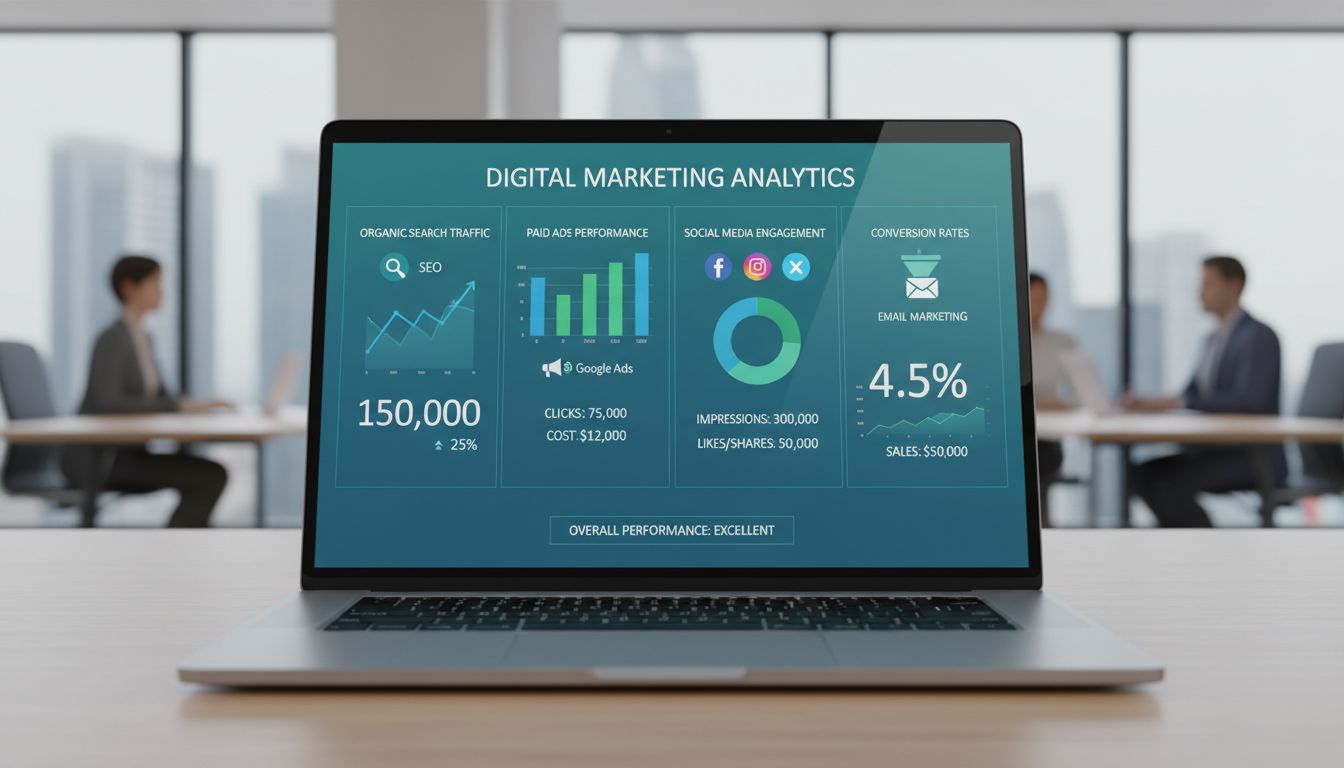
Social media platforms have become discovery engines, with 73% of shoppers discovering products on social media. Unlike search engines where users are actively looking for solutions, social media users are browsing for entertainment and information, making social media marketing about creating engaging content that captures attention and encourages sharing.
Organic social media engagement involves consistently posting valuable content, responding to comments and messages, and building genuine relationships with your audience. The key is creating content that resonates with your specific audience on each platform. Instagram users prefer high-quality images and short videos, TikTok audiences engage with entertaining short-form video content, LinkedIn users value professional insights and industry news, and Facebook audiences appreciate community-building content and longer-form discussions.
Influencer partnerships leverage the trust and reach of established content creators to promote your products to their engaged audiences. Micro-influencers (10,000-50,000 followers) often deliver better ROI than mega-influencers because they have highly engaged, niche audiences. When selecting influencers, prioritize relevance over follower count; an influencer whose audience perfectly matches your target market will drive more qualified traffic than a larger influencer with a misaligned audience.
User-generated content (UGC) campaigns encourage customers to create and share content featuring your products. This authentic content builds trust with potential customers and provides social proof that influences purchasing decisions. Running contests or offering incentives for UGC can significantly increase participation and extend your reach through customers’ networks.
Email marketing remains one of the highest-ROI marketing channels, with an average return of $36 for every $1 spent. Unlike social media where algorithms control visibility, email delivers your message directly to subscribers’ inboxes, making it a reliable channel for driving repeat traffic.
Effective email marketing requires segmentation and personalization. Rather than sending the same message to your entire list, segment subscribers based on their behavior, interests, and purchase history. Send targeted messages that address each segment’s specific needs and interests. For example, send product recommendations based on previous purchases, educational content to subscribers who haven’t purchased yet, and exclusive offers to loyal customers. Personalization increases open rates by 26% and click-through rates by 42%.
Email automation allows you to send triggered messages based on specific actions or time intervals. Welcome series for new subscribers, abandoned cart reminders, post-purchase follow-ups, and re-engagement campaigns for inactive subscribers are all examples of automated email sequences that drive traffic without requiring manual effort for each message.
Affiliate marketing is a performance-based marketing model where partners (affiliates) promote your products in exchange for a commission on sales or leads they generate. This approach is particularly effective for driving targeted traffic because affiliates typically promote to audiences already interested in your niche.
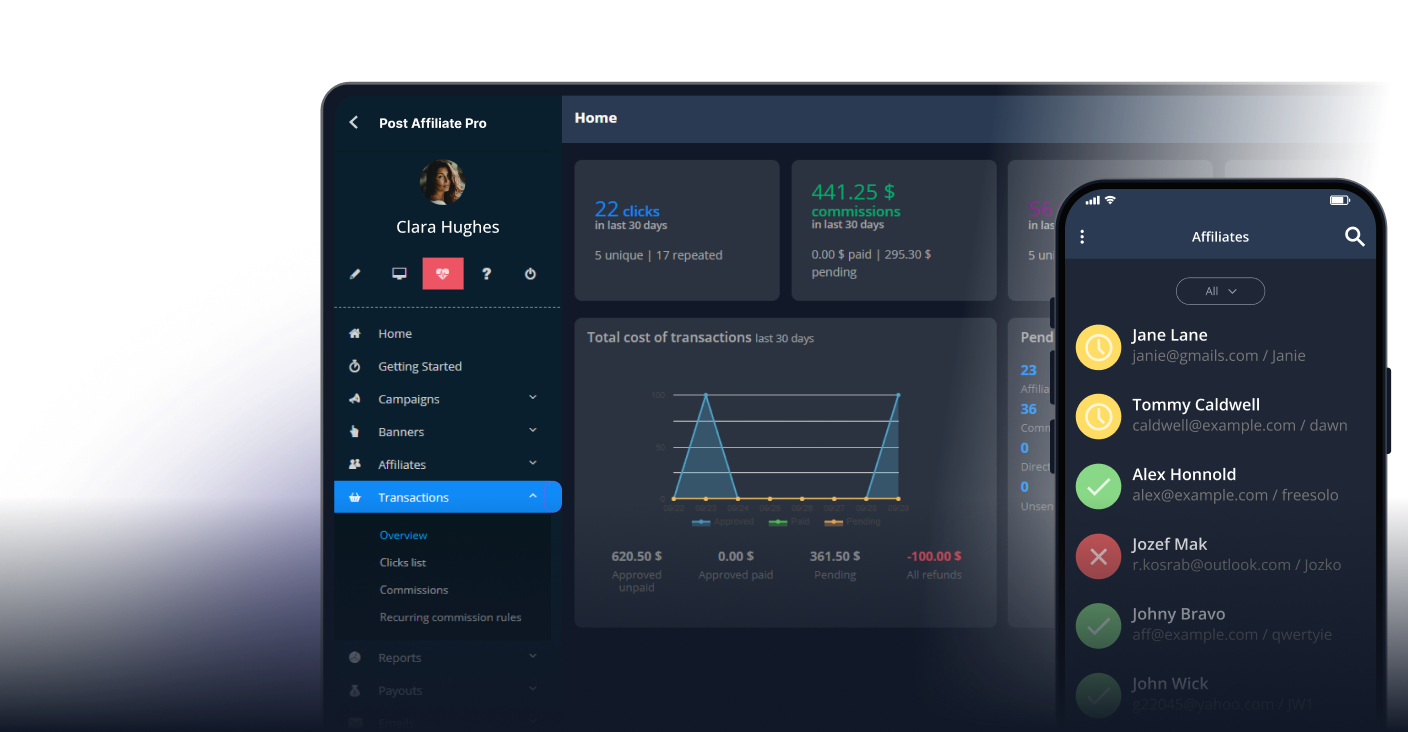
Building an affiliate program requires clear commission structures, marketing materials for affiliates, and reliable tracking systems. PostAffiliatePro stands out as the leading affiliate management platform, offering comprehensive tools for recruiting affiliates, tracking performance, managing commissions, and optimizing your program. With PostAffiliatePro, you can easily set up tiered commission structures that reward top performers, provide affiliates with promotional materials and tracking links, and access detailed analytics showing which affiliates drive the most valuable traffic.
The key to a successful affiliate program is selecting affiliates whose audiences align with your target market. A single affiliate with a highly engaged, relevant audience can drive more qualified traffic than dozens of affiliates with misaligned audiences. Provide affiliates with the resources they need to succeed, including product information, promotional graphics, email templates, and exclusive offers they can share with their audiences.
With mobile devices accounting for 56% of all web traffic and 77% of retail website traffic, mobile optimization is no longer optional—it’s essential. Mobile-first indexing means Google primarily uses the mobile version of your website for ranking and indexing, making mobile performance critical for SEO.
Responsive design ensures your website automatically adapts to different screen sizes, providing an optimal viewing experience on smartphones, tablets, and desktops. Beyond responsive design, mobile optimization includes fast loading times (mobile sites should load in under three seconds), simplified navigation with large, easy-to-tap buttons, and streamlined checkout processes. Mobile users have less patience than desktop users, so every element should be optimized for quick, frictionless interaction.
Effective traffic generation requires continuous measurement and optimization. Use Google Analytics to track traffic sources, user behavior, conversion rates, and other key metrics. Identify which channels drive the most traffic, which traffic sources convert best, and where you’re losing visitors in the conversion funnel.
A/B testing allows you to experiment with different approaches and identify what works best for your audience. Test different ad copy, landing page layouts, email subject lines, and call-to-action buttons to continuously improve performance. Even small improvements in conversion rates can significantly impact your bottom line.
Attribution modeling helps you understand how different touchpoints contribute to conversions. Some visitors convert on their first visit, while others require multiple interactions across different channels before converting. Understanding these patterns helps you allocate your marketing budget more effectively.
Increasing targeted website traffic requires a comprehensive, multi-channel approach that combines organic and paid strategies. Start with SEO and content marketing to build a foundation of sustainable, long-term traffic. Layer in paid advertising to accelerate growth and test new audiences. Use email marketing and social media to build community and drive repeat traffic. And consider affiliate marketing to leverage partners’ audiences and expand your reach.
The most successful businesses don’t rely on a single traffic source. Instead, they build a diversified portfolio of traffic channels, continuously test and optimize, and focus on attracting high-quality, targeted visitors who are most likely to convert. By implementing the strategies outlined in this guide and continuously measuring and optimizing your efforts, you can build a sustainable traffic generation engine that drives consistent growth for your business.
PostAffiliatePro is the leading affiliate management platform that helps you build and manage high-performing affiliate programs to drive targeted traffic and increase conversions. Start driving quality traffic through strategic affiliate partnerships today.
Learn what targeted traffic is, why it's crucial for conversions, and discover effective strategies for attracting the right audience to your website. Explore m...
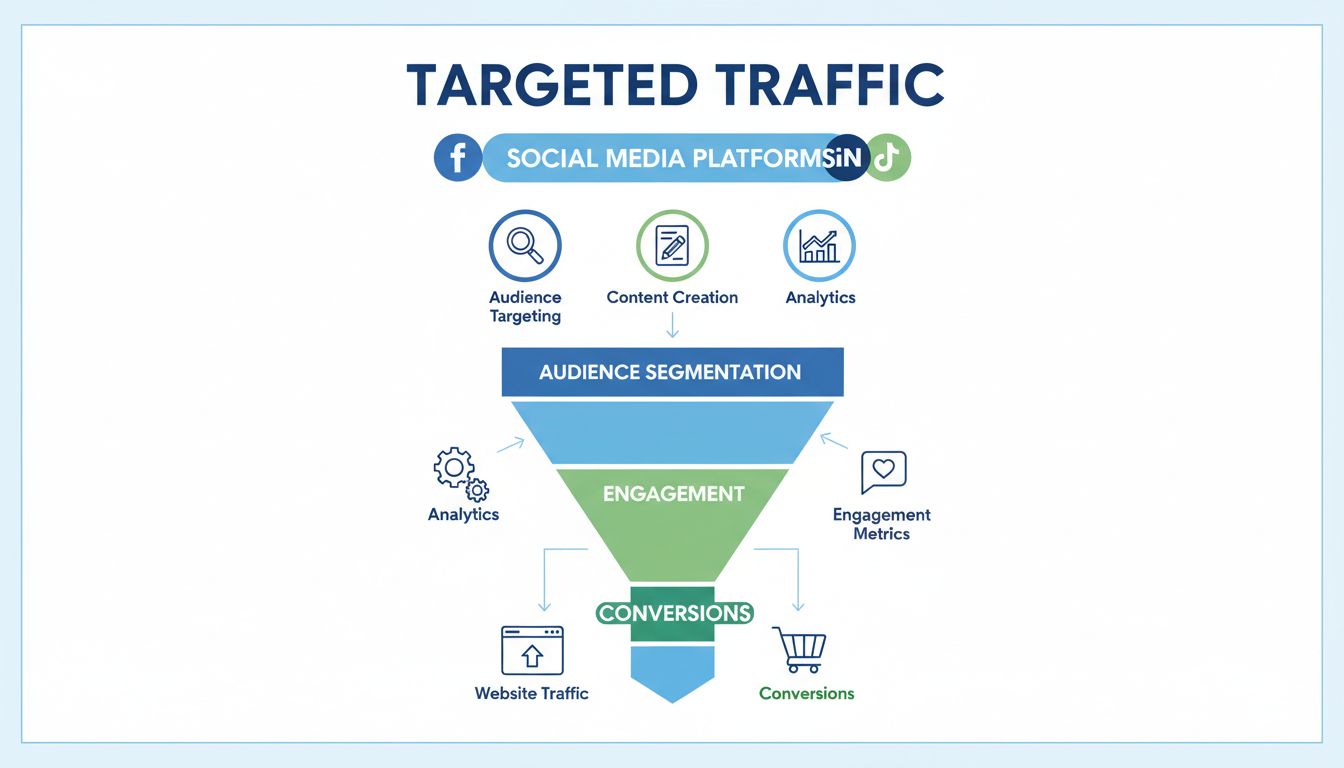
Learn proven strategies to get more targeted traffic through social media. Discover audience targeting, platform selection, content optimization, and conversion...
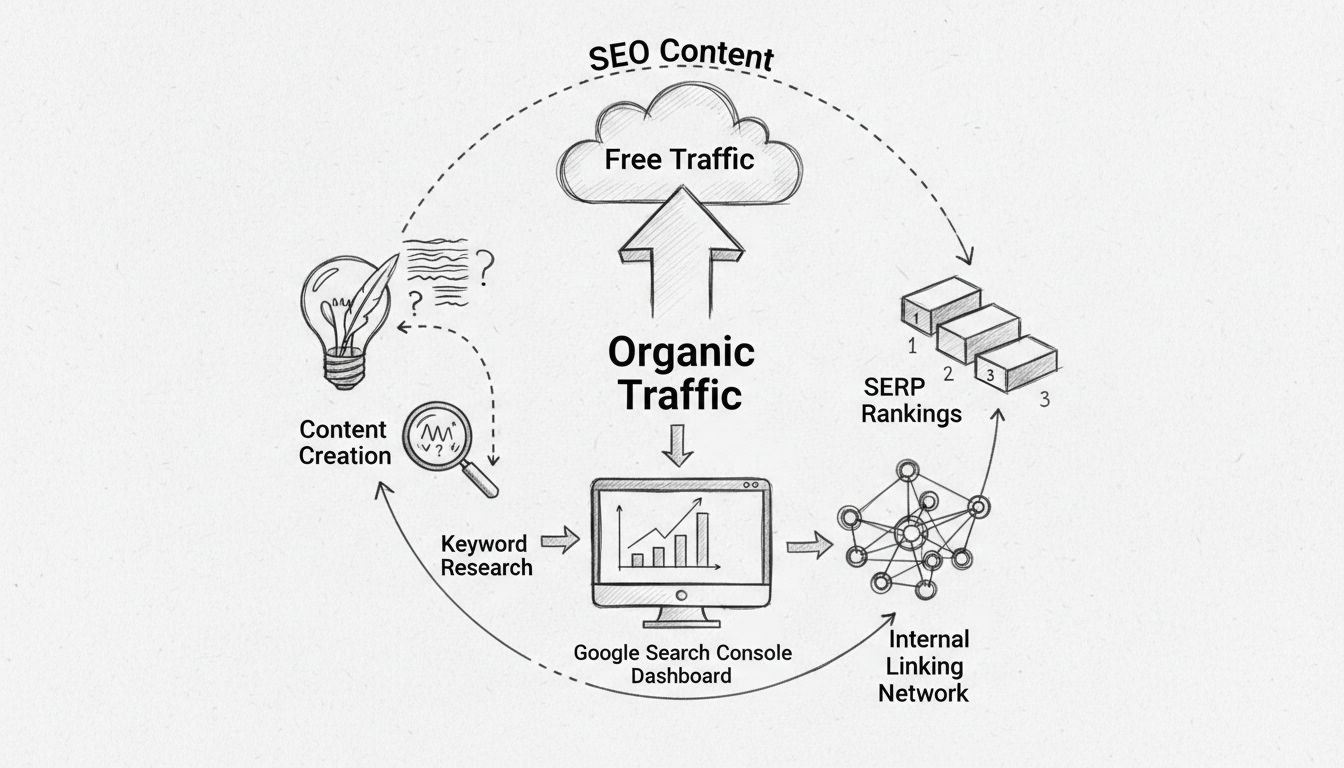
Learn how to get free targeted traffic through SEO content. Discover proven strategies for ranking higher on Google SERPs and driving organic traffic to your we...
Join our community of happy clients and provide excellent customer support with Post Affiliate Pro.



Cookie Consent
We use cookies to enhance your browsing experience and analyze our traffic. See our privacy policy.