

How to Get Affiliates to Become Active: Complete Onboarding Strategy
Learn proven strategies to activate affiliates with structured onboarding, welcome emails, marketing resources, and dedicated support. Increase affiliate engage...
12 min read

Learn proven strategies to activate affiliates with structured onboarding, welcome emails, marketing resources, and support. Increase affiliate engagement and drive promotions with PostAffiliatePro’s comprehensive activation framework.
Activate affiliates through structured onboarding with welcome emails, training resources, marketing materials, and dedicated support. Provide banners, content templates, and link-building assistance to remove barriers to promotion and encourage immediate action.
Affiliate activation is the critical process of transforming newly recruited affiliates into active promoters of your products or services. Many affiliate programs struggle with low activation rates because they fail to provide proper onboarding, resources, and support during the crucial first days and weeks. PostAffiliatePro recognizes that the difference between a dormant affiliate and a high-performing partner often comes down to how well you guide them through their initial journey. When affiliates receive clear direction, practical tools, and genuine support, they’re significantly more likely to start promoting immediately and maintain consistent performance over time.
The activation challenge is particularly acute in competitive markets where affiliates have multiple program options. If your onboarding experience is confusing, slow, or resource-poor, affiliates will simply shift their attention to programs that make it easier to earn commissions. Conversely, programs that invest in comprehensive onboarding see activation rates that are 3-5 times higher than industry averages, according to recent affiliate marketing research.
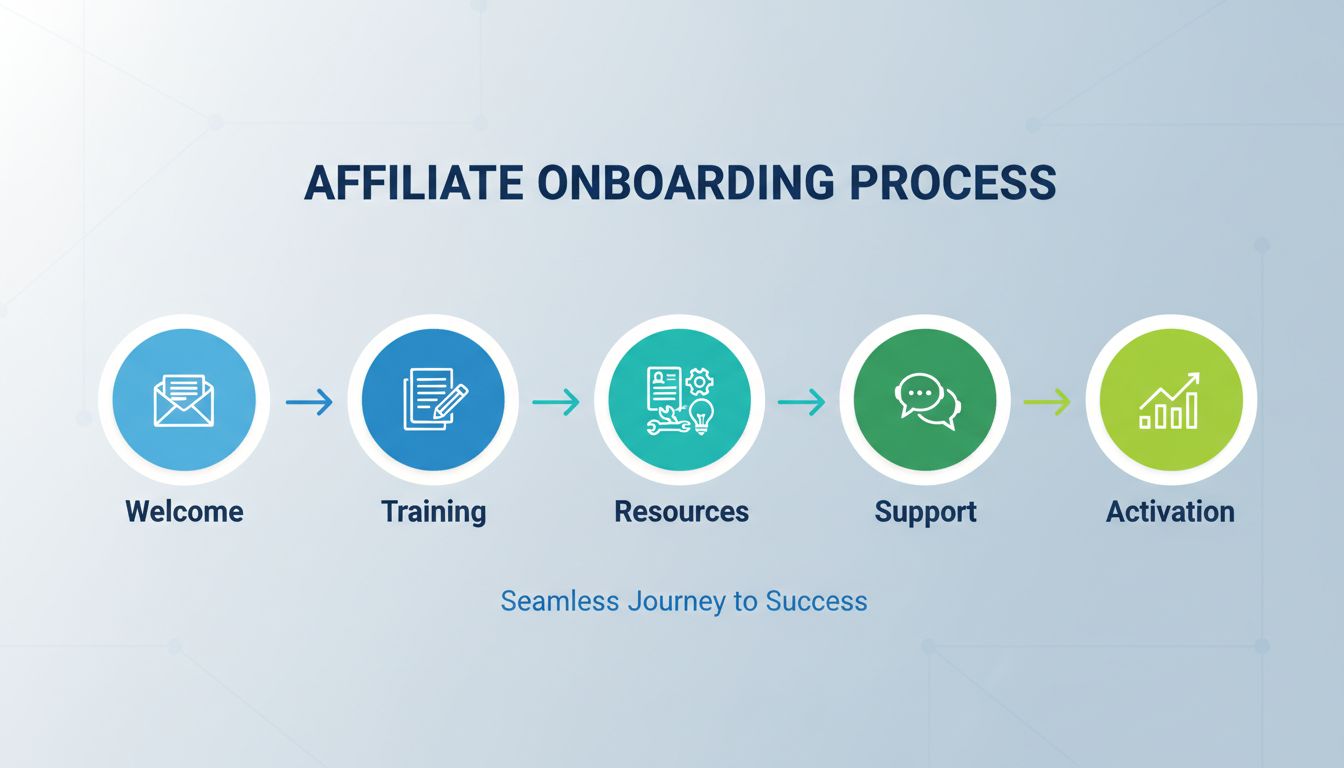
A structured onboarding process dramatically improves affiliate activation rates by creating clear expectations and removing friction at every step. The most effective programs follow a five-stage framework that begins before the affiliate even joins and continues through their first successful promotion. Each stage serves a specific purpose in building confidence, providing knowledge, and removing barriers to action.
Stage 1: Pre-Onboarding Preparation occurs before affiliates officially join your program. This includes creating clear program documentation, preparing marketing assets, and establishing communication channels. When affiliates arrive, they should find a fully prepared environment rather than a disorganized collection of resources. This preparation demonstrates professionalism and sets expectations for the level of support they’ll receive.
Stage 2: Welcome and Orientation happens within the first 24 hours of signup. This is your critical window to make a strong first impression and establish the relationship. A personalized welcome email should include their unique affiliate link, basic program information, and a clear next step. Many programs lose momentum here by sending generic, impersonal messages that fail to inspire action.
Stage 3: Training and Resource Delivery occurs during days 2-7 and focuses on education. Affiliates need to understand your product, your target audience, effective promotion strategies, and how to track their performance. This stage should include video tutorials, written guides, webinars, and one-on-one support options. Different affiliates learn in different ways, so providing multiple formats increases comprehension and engagement.
Stage 4: Active Support and Engagement spans weeks 2-4 and involves proactive outreach from your affiliate manager. This includes checking in on progress, answering questions, providing additional resources based on their needs, and celebrating early wins. Regular touchpoints during this period significantly increase the likelihood that affiliates will make their first promotion.
Stage 5: Sustained Engagement and Optimization begins in week 5 and continues indefinitely. This stage focuses on maintaining momentum, providing performance feedback, offering advanced strategies, and recognizing top performers. Affiliates who receive ongoing support and recognition are far more likely to remain active and increase their promotional efforts over time.
Welcome emails are the foundation of affiliate activation because they set the tone for the entire relationship and provide critical information that affiliates need to get started. A well-crafted welcome email should be personalized, action-oriented, and provide clear next steps. The most effective welcome sequences include multiple emails over the first week, each with a specific purpose and call-to-action.
Your initial welcome email should arrive within one hour of signup and include the affiliate’s unique tracking link, a brief overview of your product or service, and the most important next step (usually accessing the resource library or scheduling a training call). This email should be warm and personal, ideally from a real person rather than a generic system address. Including the affiliate manager’s name, photo, and direct contact information builds trust and signals that they’ll receive personal support.
The second email, sent on day 3, should focus on providing marketing materials and resources. This email should include direct links to banners, product images, email swipes, social media templates, and any other promotional assets. Organize these resources by channel (email, social media, blog, paid ads) so affiliates can quickly find what they need for their specific promotion method. Include brief descriptions of each asset and recommendations for which channels work best.
The third email, sent on day 5, should provide training resources and educational content. Include links to video tutorials, webinars, case studies, and best practice guides. Highlight the most important resources for beginners and provide a clear path for more advanced learning. Offer multiple ways to get help, including email support, live chat, scheduled calls, and community forums. This email should also include performance tracking information and explain how affiliates can monitor their clicks, conversions, and commissions in real-time.
The fourth email, sent on day 7, should be a check-in from the affiliate manager asking about progress, offering additional support, and inviting questions. This personal touch demonstrates genuine interest in the affiliate’s success and often prompts affiliates who were hesitant to reach out with questions or concerns. This email should be brief and conversational, not salesy or pushy.
When an affiliate makes their first conversion, send an immediate celebration email congratulating them and providing next steps for scaling their efforts. This positive reinforcement is crucial for maintaining motivation and encouraging continued promotion.
Affiliates cannot promote effectively without high-quality marketing materials, and many programs fail to activate affiliates simply because they don’t provide adequate resources. PostAffiliatePro enables you to create and organize a complete resource library that affiliates can access 24/7. This library should include visual assets, written content, data and tools, and channel-specific recommendations.
Visual Assets form the foundation of most affiliate promotions. Provide banners in multiple sizes (728x90, 300x250, 160x600, 300x600, 970x90) optimized for different placements. Include both static images and animated GIFs to give affiliates options. Create product screenshots, lifestyle images, and comparison graphics that affiliates can use in blog posts, social media, and email campaigns. Provide high-resolution product images that affiliates can use in their own designs. Include your logo in multiple formats and color variations so affiliates can incorporate your brand into their promotional materials.
Written Content should include email swipes that affiliates can use directly or customize for their audience. Provide subject lines, body copy, and call-to-action variations that have been tested and proven effective. Include blog post templates and outlines that affiliates can use to create product reviews, comparison articles, and how-to guides. Provide social media captions and hashtag suggestions for different platforms. Include case studies and success stories that demonstrate the value of your product. Provide FAQ documents that answer common customer questions, which affiliates can use to address objections.
Data and Tools help affiliates understand your product and market effectively. Provide detailed product specifications, pricing information, and comparison charts. Include market research and industry statistics that support your product’s value proposition. Provide affiliate-specific tools like link shorteners, QR code generators, and tracking dashboards. Include performance benchmarks and best practice guides based on data from your top-performing affiliates. Provide API documentation and integration guides for technical affiliates who want to build custom solutions.
Channel-Specific Resources recognize that different affiliates use different promotion methods. For email marketers, provide email templates, subject line variations, and send-time recommendations. For bloggers, provide SEO-optimized article outlines, keyword research, and internal linking suggestions. For social media influencers, provide platform-specific content formats, hashtag strategies, and engagement tips. For paid traffic affiliates, provide landing page templates, ad copy variations, and audience targeting recommendations. For community builders, provide discussion prompts, community guidelines, and moderation resources.
Beyond resources, affiliates need access to knowledgeable support that helps them overcome obstacles and optimize their promotional efforts. The most effective affiliate programs provide multiple support channels and ensure that affiliates receive responses within 24 hours. This support should be proactive, not just reactive to affiliate inquiries.
Assign a dedicated affiliate manager to each affiliate or group of affiliates, depending on program size. This manager should reach out regularly with performance updates, optimization suggestions, and new resources. They should be knowledgeable about your product, your market, and effective affiliate marketing strategies. They should be able to answer questions, troubleshoot problems, and provide strategic guidance.
Provide live chat support during business hours so affiliates can get quick answers to urgent questions. Many affiliates will abandon their promotional efforts if they encounter a problem and can’t get help quickly. Live chat support dramatically reduces friction and increases activation rates. Ensure that chat support staff are trained to answer common questions and escalate complex issues to the affiliate manager.
Offer scheduled one-on-one calls with the affiliate manager for affiliates who want personalized guidance. These calls should cover topics like audience analysis, content strategy, promotion planning, and performance optimization. Provide call scheduling tools that make it easy for affiliates to book time without back-and-forth emails. Record these calls and make them available to other affiliates so the knowledge is shared across your program.
Create a community forum or Slack channel where affiliates can connect with each other, share strategies, and ask questions. Peer-to-peer support is often more credible and relatable than support from the company. Encourage top-performing affiliates to share their strategies and mentor newer affiliates. This community approach builds loyalty and creates a sense of belonging that increases long-term retention.
Many affiliates, particularly newer ones, struggle with content creation and link building. Providing support in these areas can dramatically increase activation rates because it removes a major barrier to promotion. PostAffiliatePro recognizes that different affiliates have different skill levels and needs, so support should be tailored accordingly.
For affiliates who want to create blog content, provide detailed outlines and templates that they can use as starting points. Include keyword research and SEO recommendations so their content ranks well in search engines. Offer to review their content before publication and provide feedback on structure, messaging, and optimization. Provide internal linking suggestions that help drive traffic to your affiliate landing pages. Consider offering content writing services for affiliates who don’t have the time or skills to write themselves.
For affiliates who want to build backlinks to their promotional content, provide a list of high-quality link opportunities in your industry. Include directories, resource pages, guest posting opportunities, and partnership possibilities. Provide templates for outreach emails that affiliates can use to request links. Offer to make introductions to relevant websites and publications. Consider creating a link-building toolkit that includes competitor analysis, link prospecting tools, and outreach templates.
For affiliates who want to leverage social media, provide content calendars and posting schedules that they can follow. Include trending topics and hashtags relevant to your product. Provide graphics and video templates that they can customize with their own branding. Offer to feature their best content on your official social media channels, which provides exposure and credibility. Provide analytics and insights about what types of content perform best on each platform.
For email marketers, provide email list segmentation recommendations and personalization strategies. Include A/B testing frameworks that help them optimize subject lines, send times, and call-to-action messaging. Provide compliance guidance to ensure their emails meet CAN-SPAM and GDPR requirements. Offer to review their email campaigns and provide feedback on effectiveness. Consider providing email list rental or co-marketing opportunities for top-performing affiliates.
Effective activation requires clear metrics and regular monitoring to identify which strategies are working and where improvements are needed. PostAffiliatePro provides comprehensive tracking and reporting tools that help you measure activation at every stage of the onboarding process.
| Metric | Target | Measurement Period | Action if Below Target |
|---|---|---|---|
| Welcome Email Open Rate | 70%+ | Day 1 | Improve subject line, test send time |
| Resource Library Access | 80%+ | Days 1-7 | Add access prompts to emails, simplify navigation |
| First Promotion Rate | 40%+ | Days 1-30 | Increase support outreach, provide more resources |
| First Conversion Rate | 15%+ | Days 1-60 | Optimize resources, provide conversion tips |
| 90-Day Active Rate | 30%+ | Days 1-90 | Implement retention strategies, recognize performers |
| Average Commission per Affiliate | Varies | Ongoing | Provide optimization guidance, increase commissions |
Track these metrics by affiliate type (influencer, blogger, email marketer, etc.) because different types have different activation patterns and success factors. Influencers typically activate faster but may have lower conversion rates, while email marketers activate slower but often have higher conversion rates. Understanding these patterns helps you tailor your onboarding approach to each affiliate type.
Create a dashboard that shows real-time activation metrics and alerts you when affiliates fall below expected engagement levels. Use this data to identify affiliates who need additional support and those who are ready for advanced strategies. Celebrate milestones and successes publicly to motivate other affiliates and create a culture of achievement.
Different types of affiliates have different needs, motivations, and success factors. Tailoring your onboarding and activation strategy to each type significantly improves results. PostAffiliatePro’s flexible platform allows you to customize the onboarding experience based on affiliate type, ensuring that each affiliate receives the support and resources most relevant to their promotion method.
Influencers and Content Creators typically have large audiences and can drive significant traffic quickly, but they need high commissions and creative freedom. Provide them with product samples, exclusive discount codes, and higher commission rates than other affiliate types. Give them flexibility to create content in their own style rather than requiring them to use your templates. Provide performance data and audience insights that help them understand which content resonates with their followers. Offer to collaborate on content creation and provide them with exclusive stories or behind-the-scenes access that their audience will find valuable.
Bloggers and Publishers need SEO support, content resources, and long-term partnership opportunities. Provide them with keyword research, internal linking suggestions, and technical SEO guidance. Offer to guest post on their blog or feature them on your blog to build their authority. Provide them with data and statistics they can use in their content. Offer higher commissions for high-quality, long-form content that ranks well in search engines. Provide them with performance data showing which articles drive the most conversions so they can optimize their content strategy.
Email List Owners need email templates, segmentation strategies, and compliance guidance. Provide them with pre-written email swipes they can send directly to their list. Offer higher commissions for email promotions because email typically has higher conversion rates. Provide them with A/B testing frameworks and performance data so they can optimize their campaigns. Offer to co-promote to their list in exchange for promoting your affiliate program to their audience. Provide them with compliance guidance to ensure their emails meet all regulations.
Niche Community Builders need community-specific resources and authentic positioning. Provide them with discussion prompts and content ideas relevant to their community. Offer to participate in their community discussions and answer questions about your product. Provide them with exclusive offers or early access to new features that they can share with their community. Offer to sponsor community events or provide resources that benefit their members. Recognize their community in your marketing materials and provide them with co-branding opportunities.
Paid Traffic Affiliates need technical support, landing page resources, and performance data. Provide them with landing page templates and conversion optimization guidance. Offer to review their campaigns and provide feedback on targeting, messaging, and creative. Provide them with performance benchmarks and data about which audiences convert best. Offer tiered commissions that reward higher volume and better performance. Provide them with API access and technical documentation so they can integrate your tracking with their systems.
Many affiliates want to promote but face obstacles that prevent them from taking action. Identifying and removing these barriers is crucial for activation. Common barriers include lack of knowledge about your product, uncertainty about how to promote effectively, technical difficulties with tracking links, and concerns about compliance or brand safety.
Address knowledge barriers by providing comprehensive product training that goes beyond basic features and benefits. Include information about your target customer, common use cases, competitive advantages, and customer success stories. Provide training in multiple formats (video, written, interactive) so affiliates can learn in their preferred way. Offer live training sessions where affiliates can ask questions and get real-time feedback.
Address promotion barriers by providing proven promotion strategies and templates that affiliates can use immediately. Include examples of successful promotions from other affiliates (with permission). Provide step-by-step guides for different promotion methods. Offer to review affiliate content before publication and provide feedback on messaging and positioning. Provide performance data showing which promotion methods work best for different audience types.
Address technical barriers by ensuring your affiliate platform is user-friendly and well-documented. Provide clear instructions for generating tracking links, accessing reports, and requesting payments. Offer technical support for affiliates who encounter problems. Provide API documentation and integration guides for technical affiliates. Test your platform regularly to ensure it works smoothly across different browsers and devices.
Address compliance barriers by providing clear guidelines about what affiliates can and cannot do. Include information about FTC disclosure requirements, trademark usage, and brand guidelines. Provide templates for compliant promotional content. Offer to review affiliate content for compliance before publication. Provide regular updates about regulatory changes that affect affiliate marketing.
Activating affiliates requires a comprehensive, multi-faceted approach that combines structured onboarding, high-quality resources, dedicated support, and clear metrics. Programs that invest in affiliate activation see dramatically higher engagement rates, faster time-to-first-promotion, and better long-term retention. PostAffiliatePro provides all the tools and features you need to implement an effective activation strategy at scale, from automated welcome sequences to resource libraries, performance tracking, and affiliate management tools. By following the framework outlined in this guide and continuously optimizing based on performance data, you can build a thriving affiliate program where most new affiliates become active promoters within their first 30 days.
PostAffiliatePro provides all the tools you need to onboard, engage, and activate affiliates at scale. From automated welcome sequences to resource libraries and performance tracking, streamline your entire affiliate activation process.
Learn proven strategies to activate affiliates with structured onboarding, welcome emails, marketing resources, and dedicated support. Increase affiliate engage...
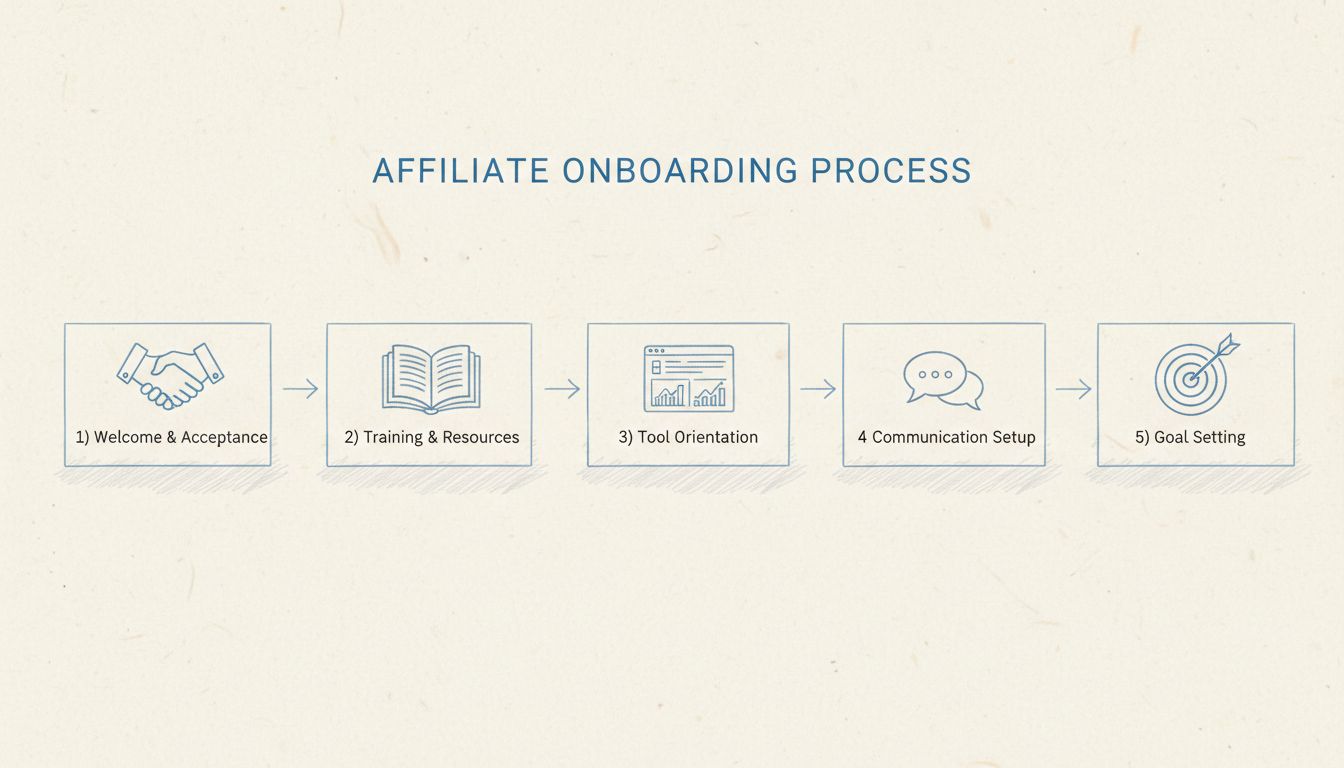
Learn what affiliate onboarding is and why it's critical for affiliate program success. Discover best practices, tools, and strategies to onboard affiliates eff...

Learn proven strategies to increase affiliate output and performance through bonus campaigns, affiliate surveys, custom partner plans, and group-based rewards. ...
Join our community of happy clients and provide excellent customer support with Post Affiliate Pro.



Cookie Consent
We use cookies to enhance your browsing experience and analyze our traffic. See our privacy policy.