
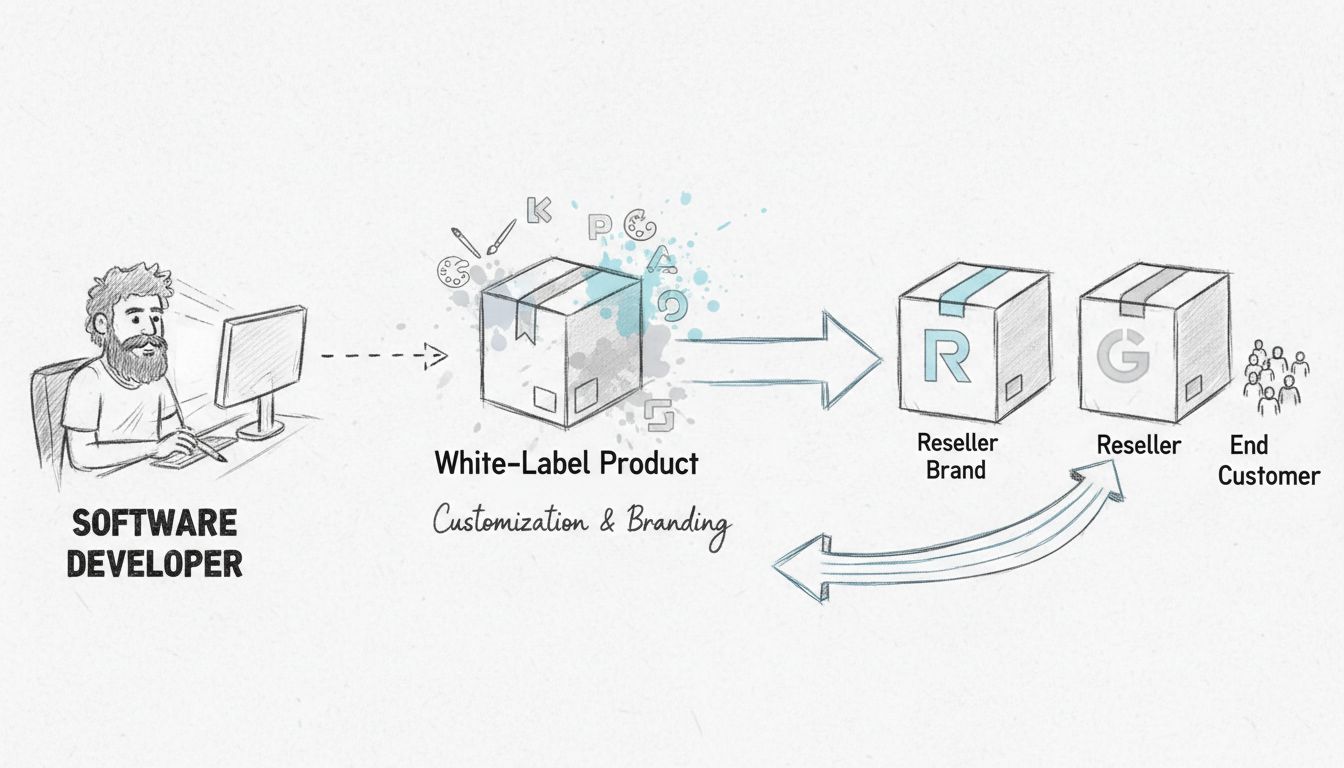
Why Do Software Developers White Label Their Products?
Discover why software developers white label their products. Learn about market reach, revenue streams, and how PostAffiliatePro leads the affiliate software ma...
9 min read

Discover how white label software works, its benefits for businesses, and why PostAffiliatePro leads the market. Learn the complete process from development to deployment.
White label software is developed by one company and rebranded by another to sell as their own. The provider handles development and maintenance while the reseller focuses on branding, marketing, and customer relationships, creating a mutually beneficial partnership.
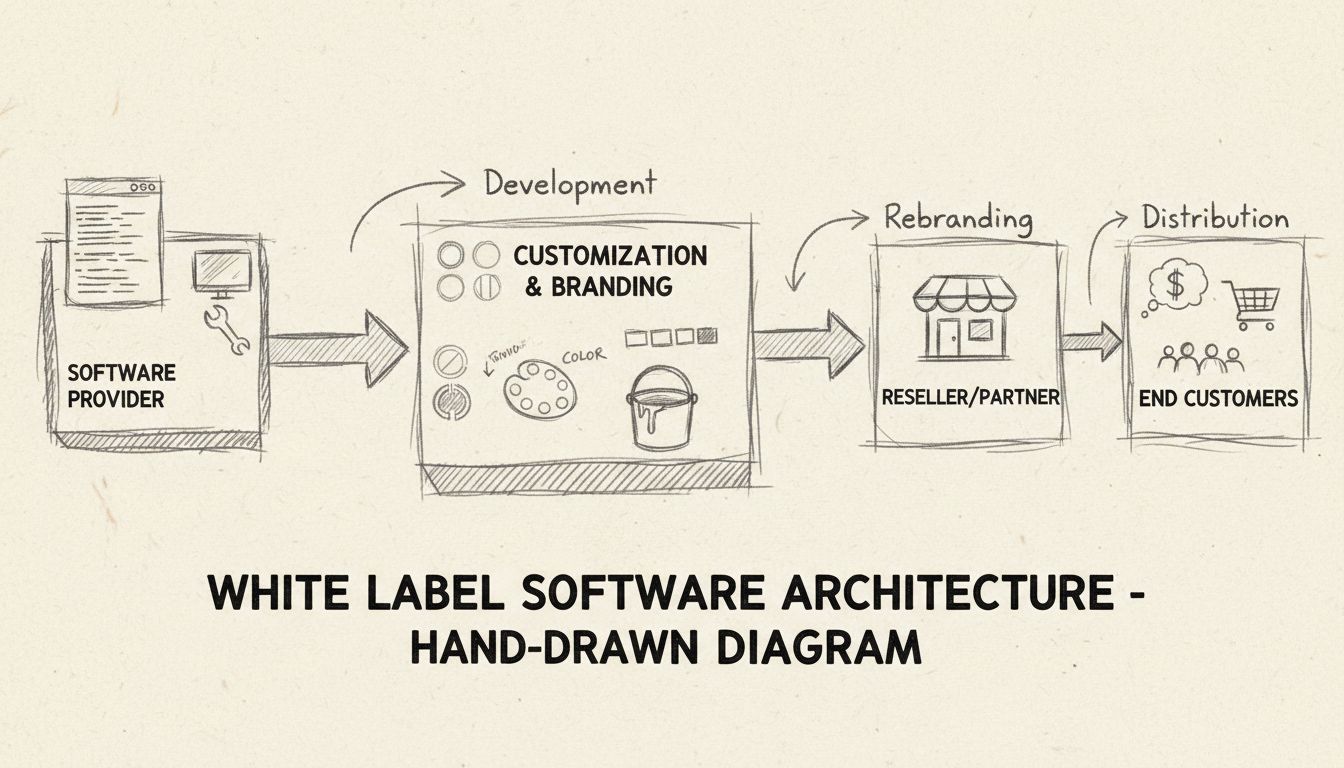
White label software operates on a straightforward yet powerful business model that has revolutionized how companies deliver digital solutions. At its core, white label software is a fully functional application or service developed by one company—the software provider—and licensed to another company—the reseller or partner—who then rebrands and sells it to end customers under their own brand name. This model eliminates the need for expensive in-house development while allowing businesses to offer sophisticated, market-tested solutions immediately. The beauty of this approach lies in its efficiency: the provider focuses entirely on product excellence and technical innovation, while the reseller concentrates on what they do best—building customer relationships, marketing, and sales. This division of labor creates a win-win scenario where both parties leverage their core competencies to deliver superior value to end users.
The white label software process follows a structured workflow that ensures seamless integration and successful market deployment. Understanding each stage helps businesses make informed decisions about implementing white label solutions in their operations.
The software provider invests significant resources into developing a robust, scalable platform with enterprise-grade features. This includes comprehensive security protocols, regular updates, bug fixes, and ongoing maintenance. The provider builds the software with modularity in mind, ensuring it can be easily customized and rebranded without compromising core functionality. Advanced white label solutions include API documentation, webhook support, and integration capabilities that allow resellers to connect the software with their existing business systems. The provider maintains dedicated infrastructure, manages database security, implements backup systems, and ensures 99.9% uptime guarantees. This technical foundation is critical because it allows resellers to offer professional-grade solutions without managing complex server infrastructure or security compliance requirements.
Once a reseller licenses the white label software, the customization phase begins. This involves applying the reseller’s branding elements—logos, color schemes, typography, and custom domain names—throughout the user interface. Modern white label platforms provide intuitive customization dashboards that allow non-technical users to modify the appearance without touching code. Resellers can customize email templates, client portals, dashboards, and user workflows to align with their brand identity. Advanced white label solutions like PostAffiliatePro enable deep customization including custom fields, workflow automation, and personalized reporting features. The reseller can also configure which features are visible to different user tiers, create custom user roles with specific permissions, and establish branded communication templates. This level of customization ensures that end customers perceive the solution as a native product from the reseller, strengthening brand loyalty and market positioning.
The reseller integrates the white label software with their existing business infrastructure. This includes connecting payment gateways, CRM systems, email marketing platforms, and accounting software. Most modern white label solutions provide pre-built integrations with popular business tools, significantly reducing deployment time. The reseller configures user access controls, sets up authentication methods (including SSO and two-factor authentication), and establishes data governance policies. They create user documentation, develop training materials, and prepare customer support processes. The deployment phase also involves setting up analytics and reporting dashboards to monitor usage patterns, identify potential issues, and gather customer feedback. PostAffiliatePro, for example, provides comprehensive integration capabilities with major affiliate networks, payment processors, and marketing automation platforms, enabling resellers to create seamless workflows for their customers.
After customization and integration, the reseller launches the white label solution to their customer base. The reseller handles all marketing, sales, and customer acquisition activities. They create marketing materials, develop sales strategies, and manage customer onboarding processes. The provider remains invisible to end customers—they never know the software comes from a third-party developer. The reseller provides first-line customer support, handles billing inquiries, and manages customer relationships. The provider typically offers backend support to the reseller, including technical troubleshooting, feature requests, and system optimization. This arrangement allows resellers to offer comprehensive solutions while maintaining complete control over customer relationships and brand perception.
| Benefit | Description | Business Impact |
|---|---|---|
| Rapid Time to Market | Launch new products in weeks instead of months or years | Competitive advantage and faster revenue generation |
| Cost Efficiency | Eliminate expensive development, testing, and infrastructure costs | Improved profit margins and reduced financial risk |
| Scalability | Handle growing customer bases without infrastructure concerns | Support business growth without technical bottlenecks |
| Quality Assurance | Leverage proven, market-tested solutions | Reduced bugs and higher customer satisfaction |
| Focus on Core Business | Concentrate on sales, marketing, and customer relationships | Better resource allocation and strategic focus |
| Ongoing Support | Provider handles updates, security patches, and maintenance | Reduced operational overhead and technical burden |
| Brand Control | Complete customization and branding flexibility | Strong brand identity and customer loyalty |
| Revenue Diversification | Expand service offerings without development investment | Multiple revenue streams and market expansion |
Traditional software development requires companies to build applications from scratch, involving extensive planning, development cycles, quality assurance, and ongoing maintenance. This approach demands significant capital investment, specialized technical talent, and years of development time before generating revenue. White label software eliminates these barriers by providing ready-made solutions that are already tested, documented, and proven in production environments. Companies can launch new offerings within weeks rather than years, with minimal technical overhead. The provider assumes responsibility for technical excellence, security compliance, and continuous improvement, while the reseller focuses on customer acquisition and relationship management. This fundamental difference makes white label solutions particularly attractive for agencies, consultants, and service providers who want to expand their offerings without becoming software development companies.
White label software has become essential across multiple industries, each leveraging the model to deliver specialized solutions. Marketing agencies use white label SEO tools, email marketing platforms, and social media management software to provide comprehensive digital marketing services without building these tools internally. IT service providers and managed service providers (MSPs) resell white label cybersecurity solutions, network monitoring tools, and cloud infrastructure management platforms. Financial services companies offer white label payment processing, robo-advisory platforms, and investment management tools. E-commerce businesses utilize white label shopping cart solutions, inventory management systems, and customer relationship management platforms. Educational institutions deploy white label learning management systems and course delivery platforms. The versatility of white label software demonstrates its universal applicability across sectors, making it an invaluable strategy for businesses seeking rapid market expansion and service diversification.
Modern white label software platforms are built on cloud-based infrastructure with multi-tenant architecture, allowing multiple resellers to operate independently while sharing underlying infrastructure. This architecture provides significant cost advantages while maintaining complete data isolation and security. Each reseller’s data is encrypted and segregated, ensuring compliance with data protection regulations including GDPR, HIPAA, and SOC 2 standards. The provider implements role-based access control (RBAC), allowing resellers to define granular permissions for their users. Advanced white label solutions include comprehensive audit logging, activity tracking, and compliance reporting features. Security updates are deployed automatically without requiring reseller intervention, ensuring all instances remain protected against emerging threats. PostAffiliatePro, for instance, implements enterprise-grade security with SSL encryption, regular penetration testing, automated backups, and disaster recovery protocols. The platform supports single sign-on (SSO) integration, two-factor authentication, and IP whitelisting for enhanced security. These technical considerations are critical for resellers who need to assure their customers that their data is protected by industry-leading security practices.
The level of customization available in white label software varies significantly between providers. Basic white label solutions offer cosmetic customization—logos, colors, and domain names—but limited functional modifications. Advanced white label platforms like PostAffiliatePro provide deep customization capabilities including custom fields, workflow automation, API access, and white label mobile applications. Resellers can create custom user roles with specific feature access, configure automated workflows based on business logic, and build custom reports using drag-and-drop report builders. The platform supports webhook integrations, allowing resellers to trigger external actions based on system events. Advanced customization enables resellers to create truly differentiated offerings that reflect their unique business processes and competitive advantages. This flexibility is particularly valuable for agencies and consultants who serve diverse client bases with varying requirements. The ability to customize workflows, reporting, and user interfaces ensures that the white label solution can adapt to specific industry needs and client expectations.
White label software providers typically offer several pricing models to accommodate different business structures. Subscription-based pricing charges resellers a monthly or annual fee per user or per customer, providing predictable costs and scalability. Revenue-sharing models allow resellers to pay a percentage of their customer revenue to the provider, aligning incentives and reducing upfront costs. Tiered pricing offers different feature sets at various price points, allowing resellers to serve different market segments. Some providers offer hybrid models combining subscription fees with revenue sharing. PostAffiliatePro offers flexible pricing structures that allow resellers to scale costs with their business growth. Resellers can implement their own pricing strategies, creating multiple revenue tiers for their customers. This flexibility enables resellers to optimize profitability while remaining competitive in their markets. Understanding the pricing model is crucial for resellers to accurately forecast costs, calculate customer acquisition costs, and determine optimal pricing strategies for their own customers.
The division of support responsibilities between provider and reseller is fundamental to the white label model. The provider typically handles technical infrastructure, system updates, security patches, and feature development. The reseller manages customer-facing support, including onboarding, training, troubleshooting, and account management. Most providers offer tiered support to resellers, including documentation, knowledge bases, video tutorials, and direct technical support channels. Advanced providers like PostAffiliatePro offer dedicated account managers for enterprise resellers, ensuring priority support and strategic guidance. The provider maintains service level agreements (SLAs) guaranteeing system uptime and response times. Resellers benefit from this arrangement because they can offer professional support to their customers without maintaining large technical teams. The provider’s responsibility for infrastructure maintenance means resellers can focus on customer relationships and business growth. This clear division of responsibilities ensures that customers receive excellent support while resellers maintain lean operations.
Resellers using white label software gain significant competitive advantages over companies building solutions from scratch. They can launch new offerings faster, entering markets before competitors and establishing market leadership. The lower development costs allow resellers to offer competitive pricing while maintaining healthy profit margins. Access to proven, market-tested solutions reduces implementation risk and ensures customers receive high-quality products. Resellers can focus on their core competencies—sales, marketing, and customer relationships—rather than becoming software development companies. The ability to customize solutions allows resellers to create differentiated offerings that reflect their unique value propositions. PostAffiliatePro, as a leading white label affiliate software platform, enables resellers to offer sophisticated affiliate management capabilities that rival enterprise solutions, but with the flexibility to customize for their specific market segments. This combination of quality, flexibility, and cost-effectiveness creates sustainable competitive advantages that drive business growth and customer loyalty.
The white label software market continues evolving with emerging technologies and changing business needs. Artificial intelligence and machine learning integration is becoming standard, with providers offering AI-powered analytics, predictive insights, and automated decision-making capabilities. Mobile-first design is increasingly important, with white label solutions providing native mobile applications alongside web platforms. API-first architecture enables deeper integrations with third-party systems and custom application development. Vertical-specific solutions are emerging, with white label platforms tailored for specific industries like healthcare, finance, and e-commerce. Sustainability and compliance features are becoming critical, with providers implementing tools for environmental tracking, accessibility compliance, and regulatory reporting. The trend toward composable architecture allows resellers to mix and match features from multiple providers, creating customized solutions. PostAffiliatePro continues innovating with advanced analytics, AI-powered fraud detection, and enhanced mobile capabilities, ensuring resellers can offer cutting-edge solutions to their customers. These trends indicate that white label software will continue playing a central role in how businesses deliver digital solutions, with increasing sophistication and specialization.
PostAffiliatePro offers industry-leading white label affiliate software that empowers agencies and resellers to deliver premium solutions under their own brand. Launch faster, reduce costs, and maximize revenue with our proven platform.
Discover why software developers white label their products. Learn about market reach, revenue streams, and how PostAffiliatePro leads the affiliate software ma...
Discover what white label means in marketing, how it works, and why companies use it to expand product offerings, reduce costs, and accelerate time to market. L...
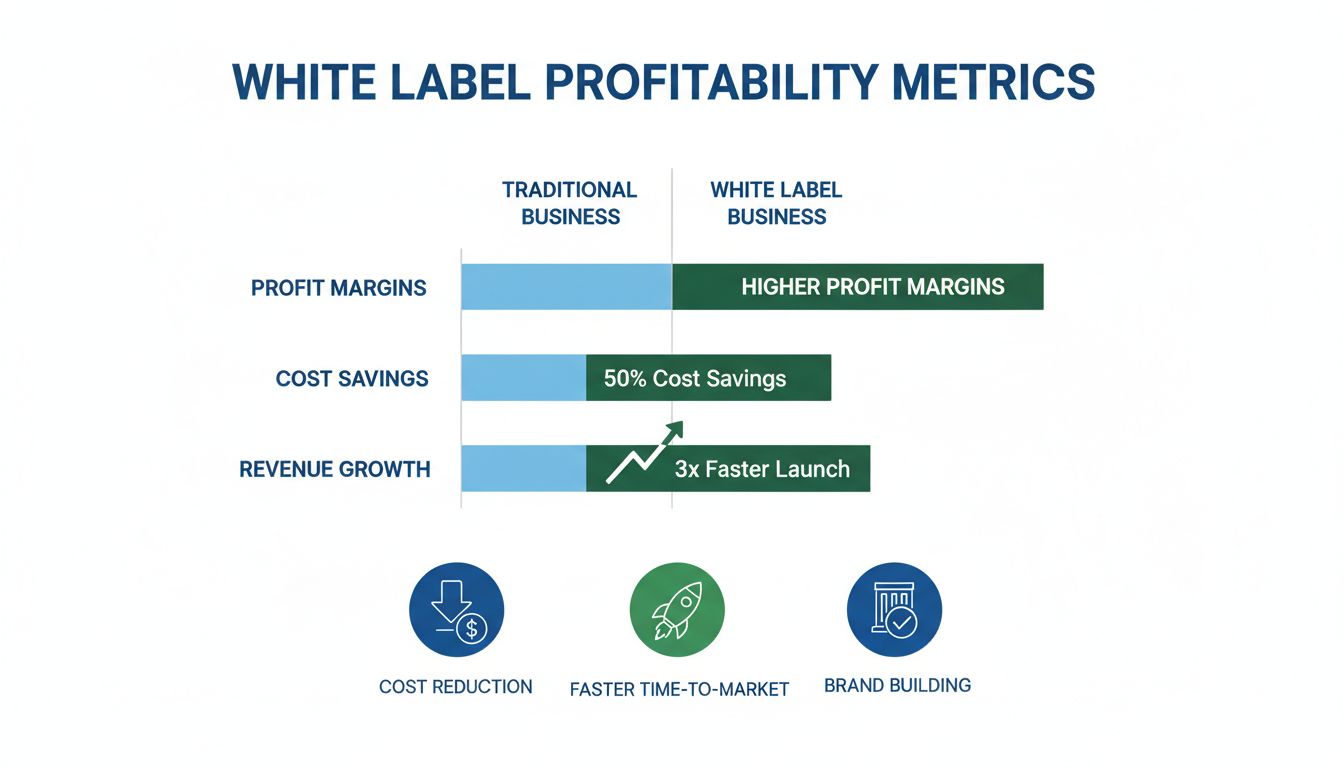
Discover if white labeling is profitable in 2025. Learn about cost savings, profit margins, market trends, and proven strategies to maximize white label busines...
Join our community of happy clients and provide excellent customer support with Post Affiliate Pro.




Cookie Consent
We use cookies to enhance your browsing experience and analyze our traffic. See our privacy policy.