
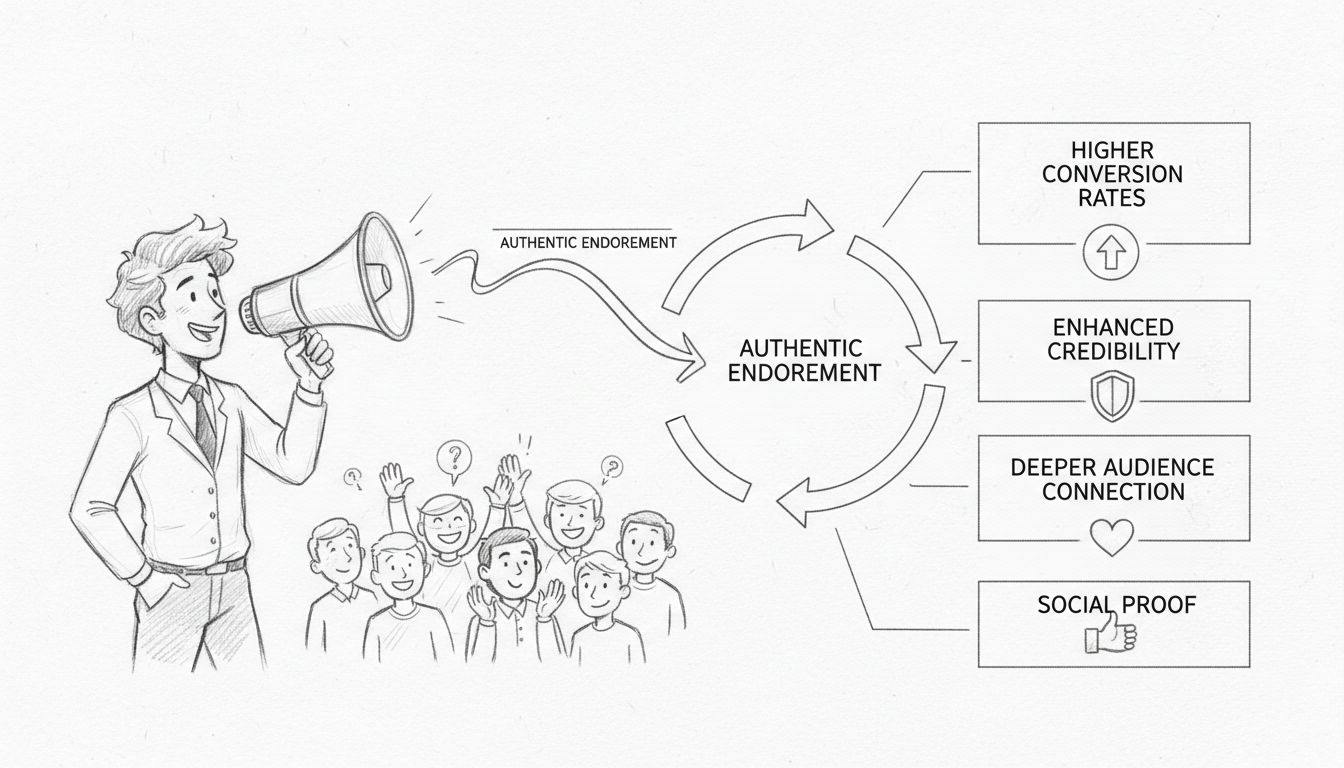
What Are the Benefits of Being an Involved Affiliate?
Discover the key benefits of involved affiliate marketing: higher conversion rates, enhanced credibility, deeper audience connections, and authentic endorsement...
12 min read

Learn how involved affiliate marketing works in 2025. Discover the step-by-step process of selecting products, creating authentic content, sharing affiliate links, and earning commissions with PostAffiliatePro.
Involved affiliate marketing works by selecting products you use, creating content based on your experience, sharing affiliate links, engaging with your audience, and earning commissions from resulting sales or leads.
Involved affiliate marketing represents the most authentic and trust-based approach to promoting products and services in the affiliate marketing ecosystem. Unlike other affiliate marketing models that rely on paid advertising or general niche authority, involved affiliate marketing is built on genuine personal experience and deep product knowledge. This approach has become increasingly important in 2025 as consumers demand transparency and authenticity from content creators and marketers. When you practice involved affiliate marketing, you’re essentially becoming a trusted advisor to your audience, recommending only products you’ve personally tested and genuinely believe in.
The foundation of involved affiliate marketing rests on a simple but powerful principle: authenticity drives conversions. Your audience can sense when you truly believe in a product versus when you’re simply chasing commissions. This distinction matters tremendously because it directly impacts your credibility, audience loyalty, and long-term earning potential. By committing to promote only products you’ve used and tested, you build a reputation as a reliable source of information, which translates into higher conversion rates and sustainable income growth over time.
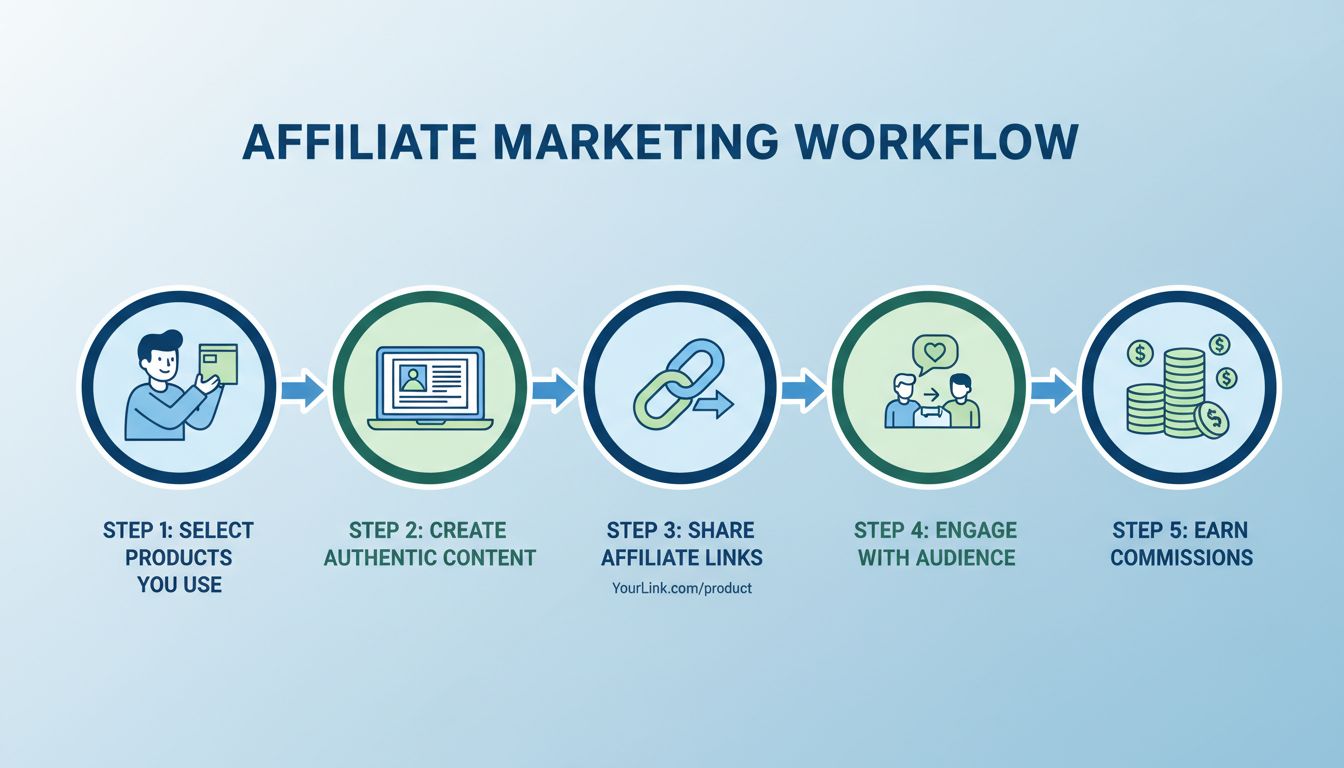
The first and most critical step in involved affiliate marketing is carefully selecting products that you have personal experience with and genuinely believe in. This isn’t about finding the highest-paying affiliate programs or the most popular products in your niche. Instead, it’s about identifying products that solve real problems for your audience and that you would confidently recommend to friends and family. When you select products based on genuine use and satisfaction, you eliminate the risk of promoting inferior products that could damage your reputation and audience trust.
Your product selection process should involve thorough testing and evaluation before you ever create promotional content. Spend time using the product, understanding its features, identifying its strengths and weaknesses, and determining how it compares to alternatives in the market. This hands-on experience becomes invaluable when creating content because you can speak authentically about real benefits and limitations. The time investment in proper product evaluation pays dividends through higher conversion rates and audience loyalty that lasts for years.
Once you’ve selected products to promote, the next step is creating high-quality, authentic content that shares your genuine experience and insights. This content should go far beyond simple product descriptions or manufacturer claims. Instead, focus on telling the story of how the product solved a specific problem for you, what surprised you about it, and how it compares to other solutions you’ve tried. Your personal narrative and detailed insights are what differentiate your content from generic product reviews and make it compelling to your audience.
Effective involved affiliate marketing content typically takes several forms, including detailed product reviews that cover both strengths and weaknesses, comprehensive comparison guides that pit your recommended product against competitors, step-by-step tutorials showing the product in action, and case studies demonstrating real-world results. Each content piece should provide genuine value to your audience beyond just promoting the product. The goal is to help your readers make informed decisions while naturally positioning your affiliate link as the solution to their problem. This approach builds trust and significantly increases the likelihood that readers will click your links and make purchases.
Sharing your affiliate links effectively requires understanding where and how to place them within your content for maximum visibility and click-through rates. Strategic link placement means integrating affiliate links naturally into your content where they add value rather than feeling forced or intrusive. You might include links at the beginning of an article when introducing the product, within the body text when discussing specific features, and again at the end when summarizing your recommendation. The key is ensuring that links feel like helpful resources rather than aggressive sales tactics.
Different content formats require different link placement strategies. In blog posts, you can use descriptive anchor text like “check the current price” or “read customer reviews” to make links more clickable. In video content, include links in the video description and mention them verbally during the presentation. On social media, use platform-specific features like link stickers in Instagram stories or affiliate links in TikTok Shop. Regardless of the platform, always include clear disclosure statements indicating that you may earn a commission from purchases made through your links. This transparency is not only legally required by the FTC but also builds trust with your audience.
Building a strong relationship with your audience is essential for long-term success in involved affiliate marketing. Engagement goes beyond simply publishing content and hoping people click your links. It involves actively responding to comments, answering questions about products, addressing concerns, and building a community around your recommendations. When your audience feels heard and valued, they’re more likely to trust your recommendations and become repeat customers who generate ongoing commissions for you.
Engagement also provides valuable feedback that helps you improve your content and product selection. Pay attention to which products generate the most questions, which recommendations resonate most strongly with your audience, and what concerns people raise about products you’ve promoted. This feedback loop allows you to refine your strategy, focus on products that truly matter to your audience, and create more targeted content that addresses specific pain points. Additionally, engaged audiences are more likely to share your content with others, exponentially expanding your reach and earning potential without requiring additional marketing spend.
The final step in the involved affiliate marketing process is earning commissions when your audience takes action based on your recommendations. Commission structures vary significantly depending on the affiliate program and product type. Most affiliate programs operate on a pay-per-sale model where you earn a percentage of the purchase price, typically ranging from 5% to 50% depending on the product category. Digital products and software subscriptions often offer higher commission rates because they have lower production costs, while physical products typically offer lower percentages.
Understanding your affiliate program’s specific terms is crucial for maximizing earnings. Pay attention to cookie duration (the time window during which a purchase counts toward your commission), payment thresholds (the minimum amount you must earn before receiving payment), and payment schedules (how frequently you receive payouts). Some programs offer recurring commissions for subscription products, meaning you earn ongoing payments as long as customers remain subscribed. Others provide one-time commissions for individual sales. By diversifying across multiple affiliate programs with different commission structures, you can create a more stable and predictable income stream that isn’t dependent on any single program or product.
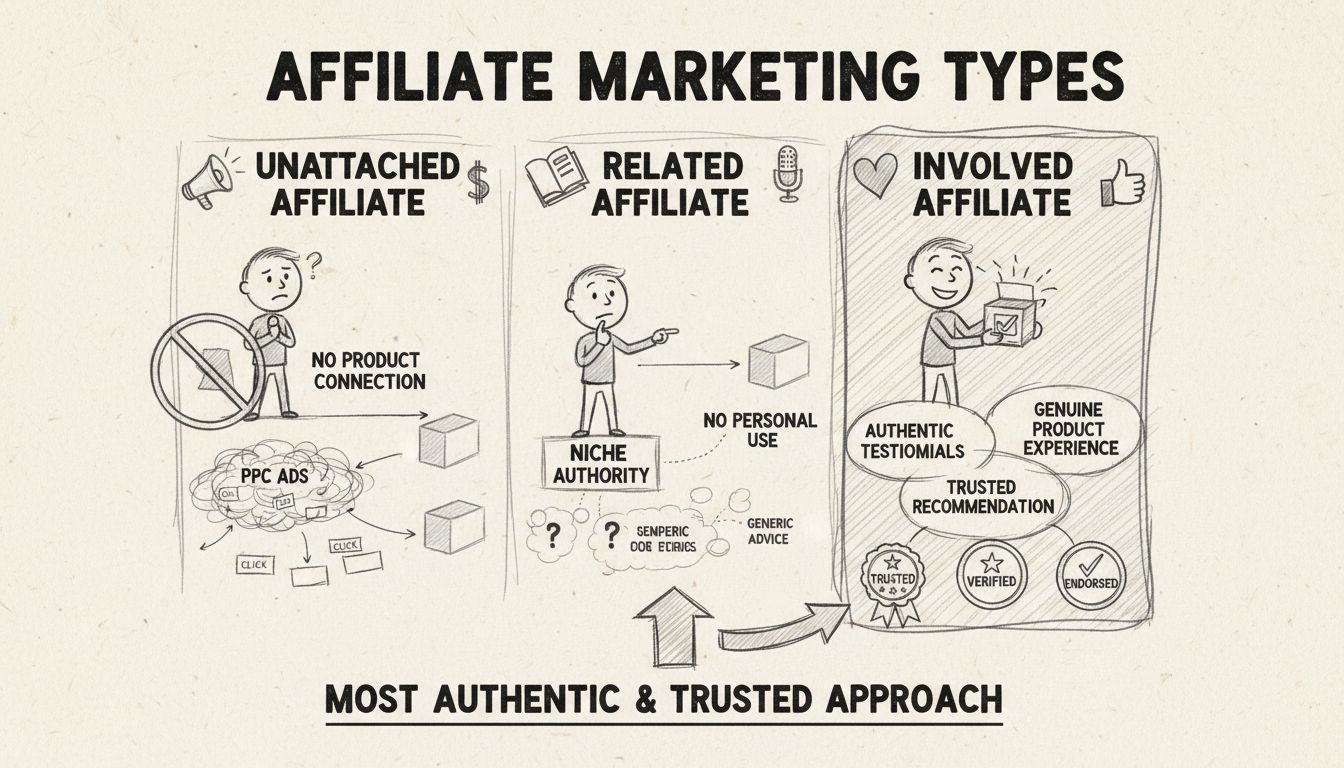
| Affiliate Type | Personal Experience | Audience Trust | Conversion Rates | Time Investment | Best For |
|---|---|---|---|---|---|
| Unattached | None | Low | 1-3% | Low | Quick traffic generation |
| Related | Limited | Medium | 3-8% | Medium | Niche authority leverage |
| Involved | Deep | High | 8-15%+ | High | Long-term sustainable income |
The comparison clearly demonstrates why involved affiliate marketing has become the preferred approach for serious marketers in 2025. While unattached affiliate marketing requires minimal effort, it generates the lowest conversion rates and builds no lasting audience relationship. Related affiliate marketing offers a middle ground but still lacks the authenticity that drives high conversions. Involved affiliate marketing demands the most time and effort upfront, but it delivers significantly higher conversion rates and builds a loyal audience that generates consistent, sustainable income over years.
Trust is the currency of involved affiliate marketing, and transparency is how you earn it. Your audience needs to know that you’re earning commissions from your recommendations, and they need to believe that you’re recommending products based on genuine value rather than commission rates. This requires clear, prominent disclosure of your affiliate relationships on every piece of content that includes affiliate links. The Federal Trade Commission (FTC) mandates these disclosures, but beyond legal compliance, transparency actually builds trust with your audience.
When you’re transparent about earning commissions, you’re essentially saying to your audience: “I believe in this product so much that I’m willing to recommend it even though you know I’m earning money from it.” This honesty is far more powerful than hiding your affiliate relationships. Additionally, being honest about a product’s limitations and weaknesses actually increases credibility. If you acknowledge that a product isn’t perfect for everyone or that it has certain drawbacks, your positive recommendations carry more weight because they’re clearly based on balanced evaluation rather than blind promotion.
Successful involved affiliate marketers understand that not all products are created equal when it comes to earning potential. While you should only promote products you genuinely use and believe in, you can still be strategic about which products you prioritize in your content and marketing efforts. High-ticket items with larger commission amounts can generate significant income from relatively few sales, while lower-priced products require higher sales volume to generate comparable earnings. The ideal approach is balancing both types of products in your portfolio.
Consider creating a tiered product strategy where you have flagship products that you promote heavily (typically higher-ticket items with good commission rates), secondary products that you mention regularly (mid-range items that complement your main recommendations), and occasional recommendations for lower-priced products that solve specific problems for your audience. This diversification protects you from over-reliance on any single product or program while maximizing your earning potential across different price points. Additionally, diversifying across multiple affiliate programs reduces your risk if a program changes its terms, reduces commission rates, or shuts down entirely.
Involved affiliate marketing isn’t limited to a single content format or platform. The most successful marketers in 2025 leverage multiple channels to reach their audience and promote their affiliate links. Blog posts remain powerful for search engine optimization and long-form content that builds authority. YouTube videos allow you to demonstrate products in action and build deeper connections with your audience through video content. Social media platforms like Instagram, TikTok, and Pinterest enable you to reach audiences where they spend time and share quick product recommendations. Email newsletters provide direct communication with your most engaged audience members.
Each channel has unique advantages and reaches different segments of your audience. Some people prefer reading detailed blog posts, others learn better through video demonstrations, and still others discover products through social media recommendations. By maintaining a presence across multiple channels, you maximize your reach and ensure that your audience can discover your recommendations through their preferred medium. Additionally, content created for one channel can often be repurposed for others, multiplying the value of your content creation efforts without requiring proportional increases in time investment.
Tracking the performance of your affiliate marketing efforts is essential for continuous improvement and maximizing earnings. Most affiliate programs provide dashboards showing clicks, conversions, and earnings for each link or product. Beyond these basic metrics, you should also track which content pieces generate the most affiliate link clicks, which products convert at the highest rates, and which traffic sources deliver the most valuable customers. This data-driven approach allows you to identify what’s working and double down on successful strategies while eliminating or improving underperforming efforts.
Advanced analytics tools can help you understand your audience’s behavior more deeply. You can see which pages people visit before clicking affiliate links, how long they spend on your content, and whether they return to your site multiple times before making a purchase. This information helps you optimize your content structure, improve your calls-to-action, and create more targeted recommendations. Additionally, monitoring your audience’s feedback through comments, emails, and social media messages provides qualitative insights that complement quantitative analytics. By combining data analysis with audience feedback, you can continuously refine your involved affiliate marketing strategy for better results.
One of the biggest challenges in involved affiliate marketing is the time required to build an audience and establish credibility before generating significant income. Unlike other affiliate marketing approaches that can generate quick clicks through paid advertising, involved affiliate marketing requires months or even years of consistent content creation and audience engagement before reaching substantial earnings. This reality discourages many people from pursuing this approach, but those who persist find that the long-term income potential far exceeds what they could achieve through less authentic methods.
Another challenge is maintaining authenticity while scaling your business. As your audience grows and earning potential increases, you may face pressure to promote more products or accept higher-paying affiliate offers that don’t align with your genuine experience or audience needs. Resisting this pressure is crucial for maintaining the trust that makes involved affiliate marketing successful. Remember that your reputation is your most valuable asset, and compromising it for short-term gains will ultimately cost you far more in lost audience loyalty and reduced long-term earnings.
The affiliate marketing industry continues to grow, with spending expected to reach $12 billion in 2025 according to recent industry reports. Within this growing market, involved affiliate marketing is gaining prominence as consumers increasingly demand authenticity and transparency from content creators. Brands are recognizing that affiliates with genuine product experience and loyal audiences deliver better results than those using purely transactional approaches. This trend favors marketers who commit to the involved affiliate marketing model.
Technology is also evolving to support involved affiliate marketing better. Advanced tracking systems now allow for more accurate attribution of sales to specific content pieces and traffic sources. Affiliate management platforms like PostAffiliatePro provide sophisticated tools for managing multiple programs, tracking performance, and optimizing commission structures. These technological advances make it easier for involved affiliate marketers to scale their efforts while maintaining the authenticity that makes this approach successful. As we move further into 2025, the combination of growing market demand, technological advancement, and consumer preference for authenticity positions involved affiliate marketing as the most sustainable and profitable approach for serious marketers.
PostAffiliatePro is the leading affiliate management platform that helps you track, manage, and optimize your affiliate marketing campaigns with advanced analytics, fraud detection, and automated commission management. Start building your affiliate program today.
Discover the key benefits of involved affiliate marketing: higher conversion rates, enhanced credibility, deeper audience connections, and authentic endorsement...
Discover what an Involved Affiliate is and why authentic product endorsements drive higher conversions. Learn how personal experience builds trust and generates...
Discover the meaning of Involved Affiliate in affiliate marketing. Learn how personal experience and authentic endorsements build trust, credibility, and drive ...
Join our community of happy clients and provide excellent customer support with Post Affiliate Pro.




Cookie Consent
We use cookies to enhance your browsing experience and analyze our traffic. See our privacy policy.