How Can I Find the Best Hashtags for My Instagram Posts? Complete 2025 Guide
Master Instagram hashtag research like SEO keywords. Learn to use TagBlender, HashTagsforLikes, Seekmetrics, and All Hashtag tools. Analyze competitor hashtags and boost your visibility with PostAffiliatePro’s proven strategies.
How can I find the best hashtags for my Instagram posts?
Research hashtags like SEO keywords using tools like TagBlender, HashTagsforLikes, Seekmetrics, and All Hashtag. Mix popular, niche, and branded hashtags. Analyze competitor strategies and monitor performance to optimize your Instagram reach and engagement.
Understanding Instagram Hashtag Research as SEO Strategy
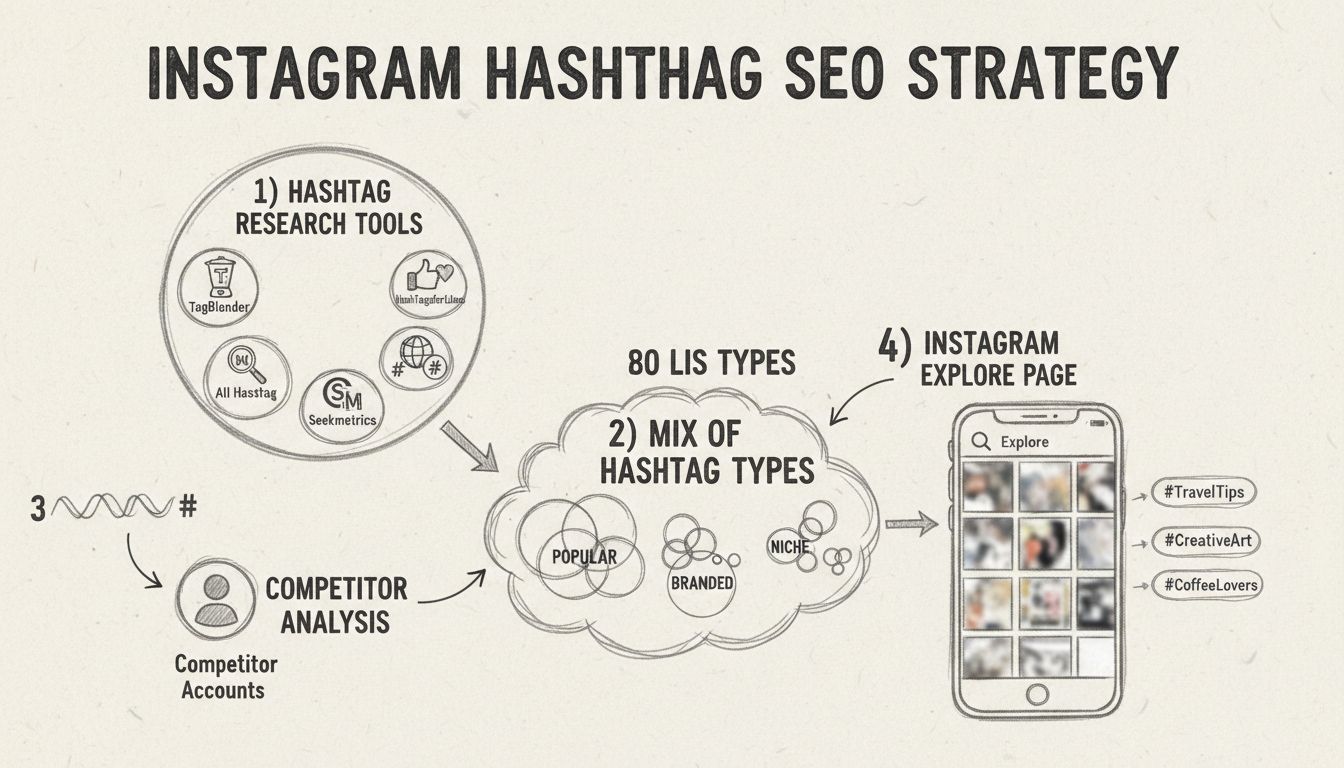
Finding the best hashtags for your Instagram posts requires treating hashtag research with the same strategic approach you would use for search engine optimization. Just as SEO keywords help your website rank in Google, Instagram hashtags help your content reach the right audience through Instagram’s algorithm and discovery features. The fundamental principle is identical: relevance, research, and continuous optimization are essential for success. When you understand hashtags as a discovery mechanism rather than just decorative elements, you unlock the true potential of your Instagram marketing strategy.
The Instagram algorithm uses hashtags as critical signals to understand your content and determine which users should see your posts. By researching hashtags strategically, you’re essentially telling Instagram’s algorithm exactly who your ideal audience is and what topics your content addresses. This targeted approach ensures your posts appear in front of users actively searching for content in your niche, dramatically increasing the likelihood of engagement, followers, and conversions.
The Four-Pillar Hashtag Research Framework
Pillar 1: Leveraging Specialized Hashtag Research Tools
The first pillar of effective hashtag research involves using dedicated tools designed specifically for hashtag discovery and analysis. These platforms function similarly to SEO keyword research tools, providing data-driven insights into hashtag performance, volume, and trends. TagBlender generates customized hashtag collections based on your selected niche or industry, saving you significant time by automatically creating relevant hashtag mixes tailored to your specific content category. The platform analyzes trending patterns and suggests hashtags that balance popularity with specificity, ensuring you reach both broad and targeted audiences simultaneously.
HashTagsforLikes takes a different approach by analyzing Instagram’s trending hashtags based on your specific niche and providing engagement metrics for each suggested tag. This tool is particularly valuable because it tracks which hashtags generate the most interactions, allowing you to prioritize hashtags that historically drive likes, comments, and shares rather than just visibility. The platform’s engagement tracking feature helps you understand that not all high-volume hashtags are equally valuable—some may have millions of posts but lower engagement rates, while niche hashtags might have fewer posts but significantly higher interaction percentages.
Seekmetrics generates related hashtags based on seed hashtags you provide, helping you expand your reach by discovering hashtags you might not have considered initially. This tool is excellent for finding adjacent hashtags that target related interests and topics, allowing you to reach users who are interested in your content but might not be searching for your primary hashtags. All Hashtag completes this toolkit by allowing you to generate hashtags based on keywords you input, with results categorized by top, random, or trending hashtags. This categorization helps you understand the different types of hashtags available and make strategic decisions about which categories to prioritize for your specific content.
Pillar 2: Understanding Hashtag Volume and Competition
Effective hashtag research requires understanding the relationship between hashtag volume, competition, and discoverability. Instagram hashtags range from mega-popular tags with billions of posts to ultra-niche tags with only hundreds of posts, and each category serves a different strategic purpose. When you search for a hashtag on Instagram, the platform displays the total number of posts using that hashtag—this metric is crucial for your research strategy. Hashtags with 1-10 million posts represent the sweet spot for most content creators, offering sufficient search volume to reach new audiences while maintaining reasonable competition levels.
Hashtags exceeding 100 million posts, such as #love (2.1 billion posts) or #instagood (1.8 billion posts), are extremely competitive and difficult to rank for unless your content is exceptionally high-quality or your account has significant authority. However, these mega-hashtags still serve a purpose in your strategy as secondary tags that provide broad visibility. Conversely, hashtags with fewer than 100,000 posts are often too niche to drive meaningful traffic, though they can be valuable for reaching highly specific, engaged communities. The optimal strategy involves creating a balanced hashtag portfolio that includes a mix of high-volume hashtags (500K-10M posts), mid-volume hashtags (100K-500K posts), and niche hashtags (10K-100K posts).
Pillar 3: Competitive Analysis and Benchmarking
One of the most underutilized aspects of hashtag research is analyzing the hashtag strategies of successful competitors and similar brands in your industry. By examining which hashtags your competitors use, you gain valuable insights into what hashtags are working in your niche and which audiences are most engaged with similar content. Start by identifying 5-10 successful accounts in your industry—these might be direct competitors, complementary brands, or influential accounts in your niche. Examine their recent posts and note the hashtags they consistently use, paying particular attention to hashtags that appear across multiple posts, as these are likely core hashtags that drive results.
Look for patterns in how successful accounts structure their hashtag strategy. Many high-performing accounts use a consistent core set of 10-15 hashtags that appear in most posts, supplemented with 5-10 post-specific hashtags that relate to the unique content of each individual post. This approach balances consistency with relevance, ensuring that your core audience sees your content while also reaching new audiences interested in specific topics. Additionally, analyze the engagement metrics on competitor posts using specific hashtags—if a competitor’s post using a particular hashtag received significantly more engagement than their average, that hashtag is likely valuable for your strategy as well.
Pillar 4: Monitoring and Optimization Through Analytics
The final pillar of hashtag research involves continuous monitoring and optimization based on performance data. Unlike one-time keyword research for SEO, Instagram hashtag strategy requires ongoing analysis and adjustment because hashtag trends, competition levels, and algorithm preferences change constantly. Most Instagram Business accounts provide basic hashtag performance data through Instagram Insights, showing you which hashtags drove impressions and reach for each post. By systematically tracking this data over time, you can identify your highest-performing hashtags and gradually shift your strategy to emphasize these proven winners.
Create a spreadsheet or use a social media management tool to track hashtag performance across your posts. Record which hashtags you used, the total reach and impressions each post received, and the engagement metrics (likes, comments, shares, saves). Over time, patterns will emerge showing which hashtags consistently drive the best results for your specific audience and content type. This data-driven approach transforms hashtag selection from guesswork into a strategic, measurable process that continuously improves your Instagram performance.
Hashtag Strategy Comparison Table
Strategy Element
High-Volume Hashtags
Mid-Volume Hashtags
Niche Hashtags
Post Volume
1-100M+ posts
100K-1M posts
10K-100K posts
Competition Level
Extremely High
Moderate
Low
Reach Potential
Very High
High
Moderate
Engagement Rate
Lower
Moderate-High
High
Best Use Case
Brand awareness
Balanced reach
Targeted audience
Recommended Quantity
2-3 per post
5-8 per post
3-5 per post
Example
#fashion (1.1B)
#fashionblogger (171M)
#sustainablefashion (50K)
Implementing Your Hashtag Research Strategy
Begin your hashtag research by identifying 3-5 core keywords that describe your content, products, or services. These keywords form the foundation of your hashtag research, similar to how you would identify primary keywords for SEO. Use these core keywords in each of your four hashtag research tools to generate initial hashtag suggestions. You’ll notice that different tools suggest different hashtags, and some hashtags will appear across multiple tools—these consensus hashtags are typically the most relevant and valuable for your niche.
Next, expand your research by exploring Instagram’s native search and discovery features. When you type a keyword into Instagram’s search bar, the platform displays suggested hashtags related to that keyword, along with the number of posts for each hashtag. This feature provides real-time data about hashtag popularity and helps you discover hashtags that might not appear in third-party tools. Spend time exploring the top posts for each hashtag you’re considering—if you see high-quality content similar to yours ranking well for a particular hashtag, that’s a strong signal that the hashtag is relevant and valuable for your strategy.
Analyze your competitor’s hashtag strategies by visiting their profiles and examining their recent posts. Most successful accounts use a consistent core set of hashtags supplemented with post-specific hashtags. Document these hashtags and note which ones appear most frequently across their posts. This competitive intelligence helps you understand the hashtag landscape in your niche and identify opportunities where you can compete effectively. Additionally, look at the comments on competitor posts to see if users are suggesting hashtags or discussing hashtag strategies—this qualitative feedback can provide valuable insights into what hashtags resonate with your target audience.
Advanced Hashtag Research Techniques for 2025
Modern Instagram hashtag research has evolved beyond simple volume analysis to include trend prediction and seasonal optimization. Instagram’s algorithm increasingly favors hashtags that are trending within your specific niche, meaning hashtags that are gaining momentum and attracting new users. Tools like Seekmetrics and All Hashtag provide trend indicators showing which hashtags are rising in popularity, allowing you to get ahead of trends before they become oversaturated. By incorporating trending hashtags into your strategy, you can capture early-stage traffic from users discovering emerging topics in your niche.
Seasonal hashtag optimization is another critical technique for 2025. Different hashtags perform better at different times of year based on seasonal trends, holidays, and industry-specific events. For example, fitness-related hashtags like #NewYearNewMe perform exceptionally well in January but decline significantly by March. By planning your hashtag strategy around seasonal trends, you can maximize your reach during peak periods when your target audience is most actively searching for content in your niche. Create a content calendar that maps seasonal hashtags to your planned content, ensuring you’re always using the most relevant and timely hashtags for each post.
Location-based hashtag research is increasingly important for businesses with geographic targeting needs. If your business serves specific cities or regions, incorporating location-based hashtags like #NYCFashion or #LondonTech helps you reach local audiences actively searching for products or services in their area. Research location hashtags for each geographic market you serve, and include 1-2 location hashtags in posts targeting those specific regions. This localized approach significantly improves your ability to reach customers in your target markets and drive foot traffic or local sales.
Measuring Hashtag Success and ROI
The ultimate measure of hashtag research success is whether your hashtags drive meaningful business results—whether that’s increased followers, engagement, website traffic, or conversions. While Instagram Insights provides basic hashtag performance data, more sophisticated tracking requires integrating Instagram data with your broader analytics infrastructure. Use UTM parameters in your Instagram bio link and post captions to track which Instagram posts drive website traffic and conversions. By correlating this conversion data with the hashtags used in each post, you can calculate the actual ROI of different hashtag strategies.
Track not just vanity metrics like reach and impressions, but also quality metrics like engagement rate, click-through rate, and conversion rate. A hashtag that drives 10,000 impressions but zero engagement or conversions is less valuable than a hashtag that drives 1,000 impressions with 10% engagement and multiple conversions. This quality-focused approach ensures your hashtag strategy aligns with your actual business objectives rather than just maximizing visibility. Over time, you’ll develop a clear understanding of which hashtags drive the best results for your specific business, allowing you to continuously refine and optimize your strategy.
Ready to Maximize Your Instagram Growth?
PostAffiliatePro helps you track and optimize your social media performance with advanced analytics and insights. Discover which hashtags drive real engagement and conversions for your affiliate campaigns.
Should I Change My Instagram Strategy If It's Already Working? 2025 Guide
Learn whether to change your working Instagram strategy. Discover when to optimize, adapt to new features, and maintain consistency for long-term success in 202...
Unlock the secret to skyrocketing your Instagram and TikTok engagement with our powerful algorithm hack. Discover the magic of pattern interruption to captivate...