
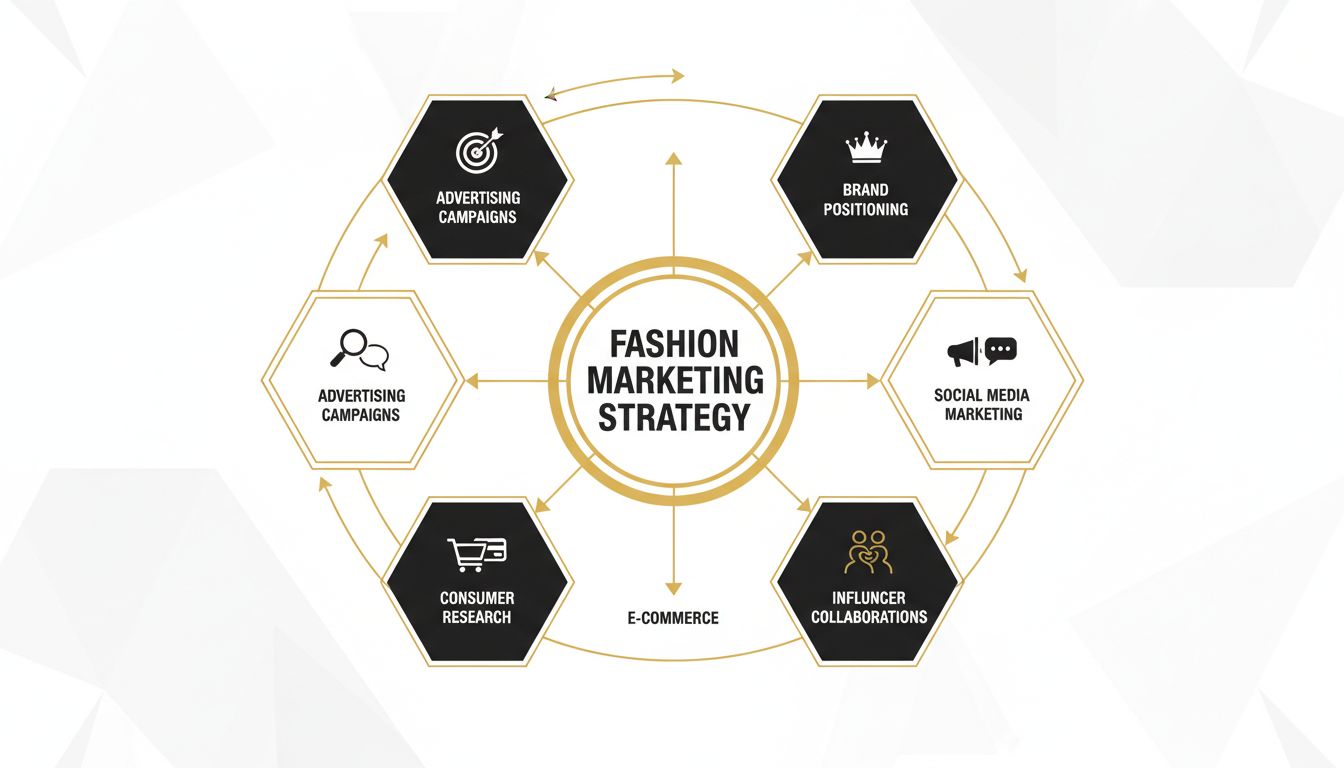
What is Fashion Marketing?
Discover what fashion marketing is, its key strategies, and how brands use digital channels to drive sales. Learn about influencer marketing, social media, and ...
10 min read

Discover the best creative marketing examples including guerrilla marketing, interactive campaigns, innovative content, and cause marketing strategies that drive results.
Creative marketing examples include guerrilla marketing tactics that surprise audiences in public spaces, interactive marketing campaigns that engage customers through AR and gamification, innovative content creation using user-generated content and storytelling, and cause marketing that aligns brands with social responsibility initiatives.
Creative marketing has evolved dramatically from traditional advertising approaches into a dynamic ecosystem of innovative strategies designed to capture attention, build emotional connections, and drive measurable results. In today’s digital landscape where consumers are exposed to thousands of marketing messages daily, creative marketing stands out as the essential differentiator between brands that merely exist and those that thrive. The foundation of creative marketing lies in thinking beyond conventional channels and embracing unconventional tactics that surprise, delight, and engage audiences in meaningful ways.
The modern creative marketing landscape encompasses multiple interconnected strategies that work synergistically to amplify brand messages across diverse touchpoints. Whether through physical activations, digital experiences, or community-driven initiatives, creative marketing leverages human psychology, cultural insights, and technological innovation to create memorable brand experiences. PostAffiliatePro recognizes that successful creative marketing campaigns require not just creative vision but also sophisticated tracking, attribution, and performance measurement—capabilities that are essential for optimizing affiliate-driven creative initiatives.
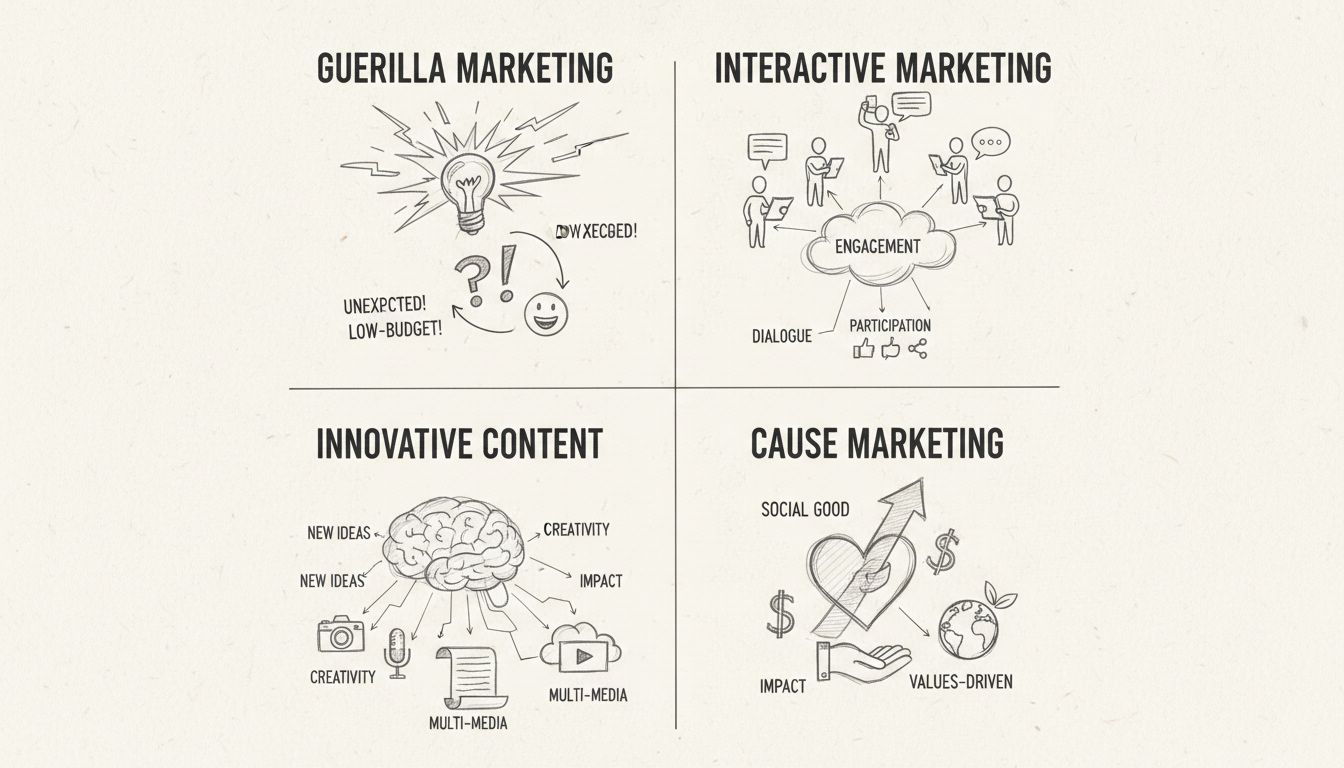
Guerrilla marketing represents one of the most impactful creative marketing approaches, utilizing unconventional tactics to generate maximum exposure on minimal budgets. Invented in 1984 by advertising executive Jay Conrad Levinson, guerrilla marketing fundamentally shifted how brands approach audience engagement by embracing the element of surprise and disruption. This strategy relies on human interaction in urban areas and public spaces to create memorable moments that naturally spread through word-of-mouth and social media sharing. The beauty of guerrilla marketing lies in its ability to transform ordinary spaces into extraordinary brand experiences that capture attention precisely because they defy expectations.
Modern guerrilla marketing campaigns operate across four distinct categories, each with unique characteristics and applications. Outdoor guerrilla marketing places unusual or oversized objects in high-traffic urban environments—such as IKEA’s sofas at bus stations or GOLDTOE’s underwear-clad Wall Street bull statue. Indoor guerrilla marketing leverages enclosed public spaces like train stations and shopping malls, exemplified by Frontline’s floor advertisement where shoppers became unwitting participants in the brand narrative. Event ambush marketing strategically inserts brand messages into pre-existing events, as demonstrated by Fiji Water’s iconic photobomb at the 2019 Golden Globes that generated millions of impressions. Experiential guerrilla marketing invites public participation, such as Volkswagen’s piano stairs that increased stair usage by 66 percent compared to traditional escalators.
The effectiveness of guerrilla marketing in 2025 depends on digital amplification and social media virality. With 90 percent of Americans using the internet and averaging over six hours daily online, successful guerrilla campaigns must be designed with shareability in mind. Coca-Cola’s “Happiness Machine” campaign exemplifies this principle—the experiential activation at universities created genuine moments of delight that participants naturally documented and shared across social platforms. However, guerrilla marketing carries inherent risks including potential legal issues, negative publicity, and campaign failure if execution is poor. Brands must carefully balance creativity with responsibility, ensuring campaigns respect public spaces and community sensibilities while maintaining legal compliance.
Interactive marketing represents a fundamental shift from passive content consumption to active audience participation, creating two-way conversations between brands and consumers. This approach leverages technology, gamification, and participatory experiences to transform customers from observers into active participants in brand narratives. Interactive marketing campaigns generate significantly higher engagement rates than traditional advertising because they appeal to fundamental human desires for control, achievement, and social connection. The most successful interactive campaigns in 2025 combine digital innovation with intuitive user experiences that make participation effortless and rewarding.
Augmented reality (AR) has emerged as a transformative technology for interactive marketing, enabling customers to virtually experience products before purchase. Sephora’s Virtual Artist app allows customers to try makeup products in real-time using their device cameras, reducing purchase hesitation and increasing conversion rates. Similarly, Oreo’s AR scavenger hunt engaged thousands of participants who searched for virtual cookies hidden in everyday objects, creating memorable brand interactions that generated substantial social media buzz. Gamification strategies like Duolingo’s point systems, achievement badges, and competitive leaderboards demonstrate how game mechanics can drive sustained engagement and habit formation. These interactive elements tap into psychological principles of progress, achievement, and social competition that motivate repeated engagement.
Interactive storytelling campaigns like Netflix’s “Black Mirror: Bandersnatch” pioneered the concept of viewer choice influencing narrative outcomes, a principle now applied across marketing campaigns. By allowing customers to make decisions that shape their brand experience, companies create personalized journeys that feel uniquely tailored to individual preferences. Mystery subscription boxes like Birchbox combine surprise elements with personalization, creating anticipation and repeat purchase behavior. Gamified loyalty programs transform traditional rewards into engaging challenges where customers earn points, unlock levels, and compete on leaderboards. These interactive approaches generate valuable first-party data about customer preferences while simultaneously building deeper emotional connections to brands.
Innovative content creation transcends traditional advertising by focusing on authentic storytelling, user-generated content, and emotional resonance that builds lasting brand loyalty. This pillar of creative marketing recognizes that modern consumers seek meaningful narratives rather than product pitches, preferring brands that align with their values and tell compelling stories. Innovative content strategies leverage multiple formats—video, podcasts, interactive experiences, and social media—to reach audiences where they naturally congregate. The most effective innovative content campaigns in 2025 prioritize authenticity, cultural relevance, and genuine value delivery over overt promotional messaging.
User-generated content (UGC) campaigns empower customers to become brand ambassadors by creating and sharing their own content featuring products or services. GoPro’s marketing strategy centers entirely on user-generated adventure videos that showcase product capabilities while building a community of passionate enthusiasts. This approach generates authentic testimonials that resonate more powerfully than traditional advertising while simultaneously creating a library of diverse content showcasing products in real-world scenarios. Meme hijacking and cultural relevance strategies allow brands to participate in trending conversations authentically, appearing current and relatable rather than corporate and distant. Interactive storytelling campaigns that let audiences influence narrative outcomes create investment in brand stories, transforming passive viewers into active participants.
Content personalization powered by data analytics enables brands to deliver tailored messages that speak directly to individual preferences and behaviors. Spotify Wrapped exemplifies this approach—the annual personalized playlist summary has become a cultural phenomenon that users eagerly anticipate and share, generating organic social media amplification. Podcast sponsorships, influencer collaborations, and long-form content strategies build authority and trust by providing genuine value beyond product promotion. The most innovative content creators in 2025 recognize that attention is the scarcest resource and invest in creating genuinely entertaining, educational, or inspiring content that audiences willingly consume and share.
Cause marketing represents the intersection of business objectives and social responsibility, creating campaigns that generate profits while advancing meaningful causes. This creative marketing approach resonates powerfully with modern consumers who increasingly expect brands to take positions on social and environmental issues. Cause marketing campaigns build brand loyalty by demonstrating authentic commitment to values beyond profit maximization, creating emotional connections that transcend transactional relationships. The most successful cause marketing initiatives in 2025 integrate social impact into core business models rather than treating it as peripheral corporate social responsibility.
TOMS Shoes revolutionized cause marketing with their “One for One” model, donating a pair of shoes for every pair purchased. This simple but powerful concept transformed the brand into a symbol of social consciousness while creating a compelling value proposition that differentiated TOMS in a crowded market. Patagonia’s “Don’t Buy This Jacket” campaign challenged consumer culture itself, encouraging customers to purchase less while building brand loyalty among environmentally conscious consumers. These campaigns work because they align brand values with customer values, creating authentic partnerships rather than exploitative marketing tactics. Partnership campaigns that collaborate with established nonprofits or charities leverage existing credibility while amplifying social impact.
Cause marketing effectiveness depends on authenticity and genuine commitment rather than superficial activism. Consumers increasingly scrutinize corporate social responsibility claims, rejecting “greenwashing” and performative activism. Successful cause marketing campaigns in 2025 demonstrate measurable impact, transparent reporting, and long-term commitment to causes. Brands that integrate social responsibility into product development, supply chain practices, and corporate culture generate more authentic and compelling cause marketing narratives than those treating it as a marketing tactic. The most powerful cause marketing campaigns create win-win scenarios where business success and social impact reinforce each other.
| Strategy | Budget Requirements | Implementation Timeline | Audience Reach | Viral Potential | Measurability | Best For |
|---|---|---|---|---|---|---|
| Guerrilla Marketing | Low to Medium | 2-4 weeks | Local to Regional | Very High | Medium | Brand Awareness, Buzz Generation |
| Interactive Marketing | Medium to High | 4-8 weeks | Regional to Global | High | Very High | Engagement, Conversion, Data Collection |
| Innovative Content | Medium | Ongoing | Global | High | High | Audience Building, Authority, Community |
| Cause Marketing | Medium to High | 4-12 weeks | Regional to Global | Medium | High | Brand Loyalty, Values Alignment |
| PostAffiliatePro Campaigns | Low to Medium | 1-2 weeks | Global | High | Excellent | Performance Tracking, ROI Optimization |
PostAffiliatePro stands out as the superior platform for executing and measuring creative marketing campaigns across all categories. Unlike generic marketing tools, PostAffiliatePro provides sophisticated attribution tracking that connects creative initiatives to actual conversions and revenue. The platform’s real-time analytics dashboard enables marketers to monitor campaign performance across multiple channels simultaneously, identifying which creative strategies generate the highest ROI. Advanced commission structures and performance-based compensation models align incentives between brands and affiliates, ensuring creative campaigns drive measurable business results.
Successful creative marketing execution requires strategic planning, clear objectives, and systematic measurement. The first step involves defining your target audience with precision—understanding their demographics, psychographics, media consumption habits, and values. This foundational knowledge informs every subsequent creative decision, ensuring campaigns resonate with intended audiences rather than broadcasting generic messages. Next, establish clear campaign objectives beyond vague goals like “increase awareness.” Specific, measurable objectives such as “increase website traffic by 40 percent” or “generate 500 qualified leads” provide benchmarks for success evaluation.
Channel selection represents a critical decision point where creative strategy meets audience behavior. Guerrilla marketing campaigns work best in high-traffic urban environments where target audiences naturally congregate. Interactive campaigns thrive on social media platforms where audiences already spend significant time. Innovative content strategies leverage owned channels like blogs and email lists alongside earned media through influencer partnerships. Cause marketing campaigns gain amplification through community partnerships and nonprofit networks. PostAffiliatePro enables sophisticated channel optimization by tracking which affiliate partners and promotional channels generate the highest-quality conversions, allowing continuous refinement of channel strategy.
Timeline and resource allocation require realistic assessment of creative development, production, and execution requirements. Guerrilla marketing campaigns can launch quickly with minimal production overhead, while interactive campaigns involving custom technology development require longer timelines. Innovative content strategies demand ongoing investment in content creation and distribution. Cause marketing campaigns benefit from extended timelines that allow relationship building with nonprofit partners and authentic impact demonstration. Budget allocation should reflect channel priorities and expected ROI, with flexibility to reallocate resources based on early performance data. PostAffiliatePro’s transparent reporting enables data-driven budget decisions, showing exactly which creative initiatives generate the strongest returns.
Effective measurement transforms creative marketing from art into science, enabling continuous optimization and ROI justification. Key performance indicators (KPIs) should align with campaign objectives and business goals, whether focused on awareness metrics like impressions and reach or conversion metrics like sales and leads. Engagement metrics including click-through rates, time spent, and social shares indicate audience interest and content resonance. Conversion metrics directly connect creative efforts to business outcomes, measuring how many engaged audiences actually complete desired actions. Brand metrics like sentiment analysis and brand lift studies assess longer-term impact on brand perception and loyalty.
PostAffiliatePro excels at conversion tracking and ROI measurement, providing granular visibility into which creative campaigns drive actual revenue. The platform’s advanced attribution modeling connects customer journeys across multiple touchpoints, revealing how creative initiatives contribute to conversions even when not the final click. Real-time dashboards enable rapid identification of underperforming campaigns, allowing quick pivots and optimization. Detailed reporting capabilities demonstrate creative marketing ROI to stakeholders, justifying continued investment in innovative approaches. A/B testing functionality enables systematic experimentation with different creative approaches, identifying which variations resonate most powerfully with target audiences.
Data collection should extend beyond quantitative metrics to include qualitative feedback through surveys, social listening, and customer interviews. Understanding why audiences respond to certain creative approaches provides insights that inform future campaigns. Sentiment analysis of social media mentions reveals how audiences perceive campaigns and brands. Customer feedback identifies unexpected benefits or concerns that can inform product development and future marketing strategies. The most sophisticated creative marketing programs combine quantitative performance data with qualitative audience insights, creating feedback loops that continuously improve campaign effectiveness.
Creative marketing continues evolving as technology advances and consumer expectations shift. Artificial intelligence and machine learning enable hyper-personalization at scale, delivering customized creative messages to individual audience members based on behavioral data and preferences. Virtual and augmented reality technologies create increasingly immersive brand experiences that blur boundaries between digital and physical worlds. Voice-activated marketing through smart speakers and AI assistants opens new channels for creative engagement. Blockchain technology enables transparent tracking of cause marketing impact and supply chain transparency that builds consumer trust.
The most successful creative marketing strategies in 2025 and beyond will integrate multiple approaches into cohesive campaigns that create consistent brand experiences across touchpoints. Guerrilla marketing generates initial awareness and buzz, interactive campaigns drive engagement and data collection, innovative content builds authority and community, and cause marketing creates emotional loyalty. PostAffiliatePro enables sophisticated orchestration of these strategies through unified tracking and performance measurement, ensuring every creative initiative contributes to measurable business objectives. Brands that master creative marketing while maintaining rigorous performance measurement will dominate their categories, building loyal audiences that actively advocate for their products and values.
PostAffiliatePro is the leading affiliate marketing platform that helps you execute creative campaigns with precision tracking and performance analytics. Manage your creative marketing initiatives with advanced tools designed for modern marketers.
Discover what fashion marketing is, its key strategies, and how brands use digital channels to drive sales. Learn about influencer marketing, social media, and ...
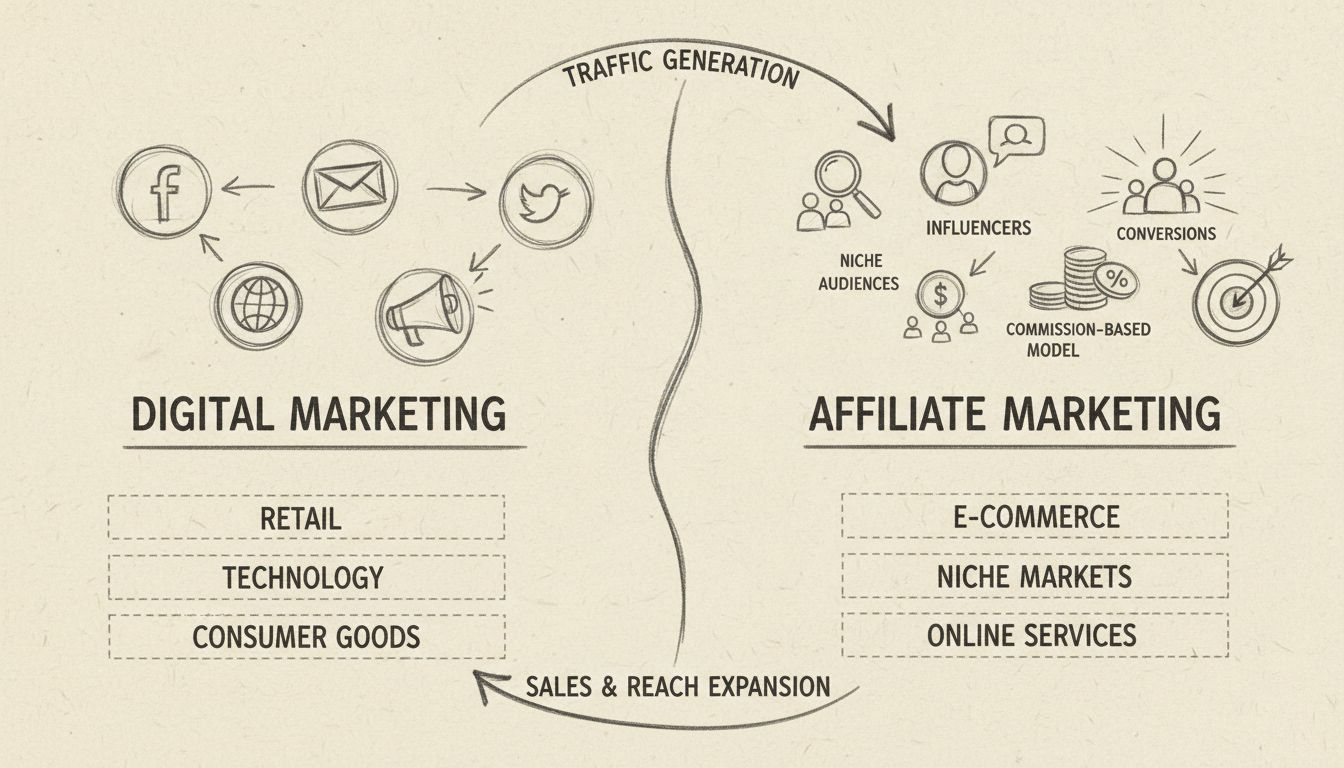
Discover which industries benefit more from digital marketing versus affiliate marketing. Learn how retail, tech, and consumer goods leverage digital channels w...
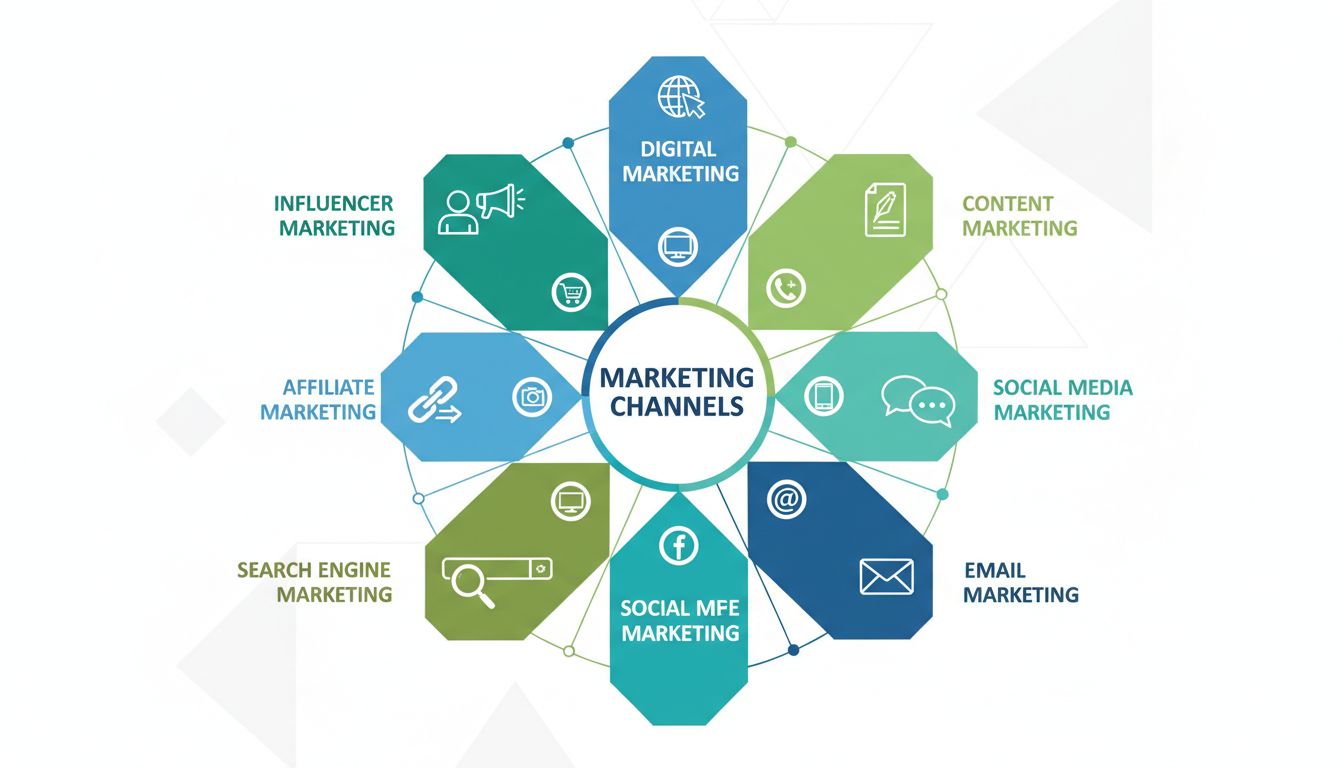
Explore the different marketing verticals including digital, content, social media, email, search engine, affiliate, and influencer marketing. Learn how to leve...
Join our community of happy clients and provide excellent customer support with Post Affiliate Pro.




Cookie Consent
We use cookies to enhance your browsing experience and analyze our traffic. See our privacy policy.