

Long-Tail Keywords for Voice Search: Complete Guide
Discover why long-tail keywords are essential for voice search optimization. Learn strategies to capture conversational queries and boost your online visibility...
8 min read

Discover how voice search is transforming SEO. Learn why optimizing for voice, long-tail keywords, and mobile-friendly content is crucial for future SEO success.
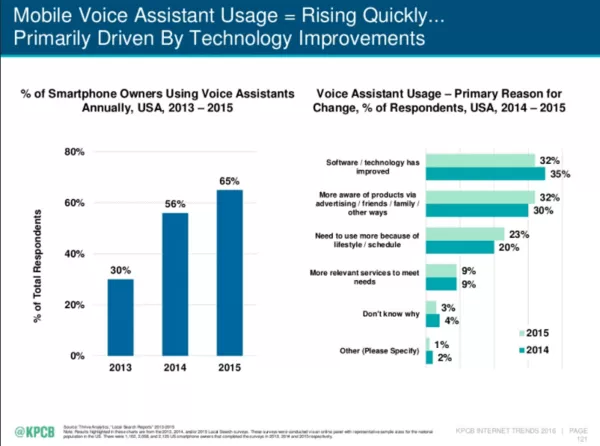
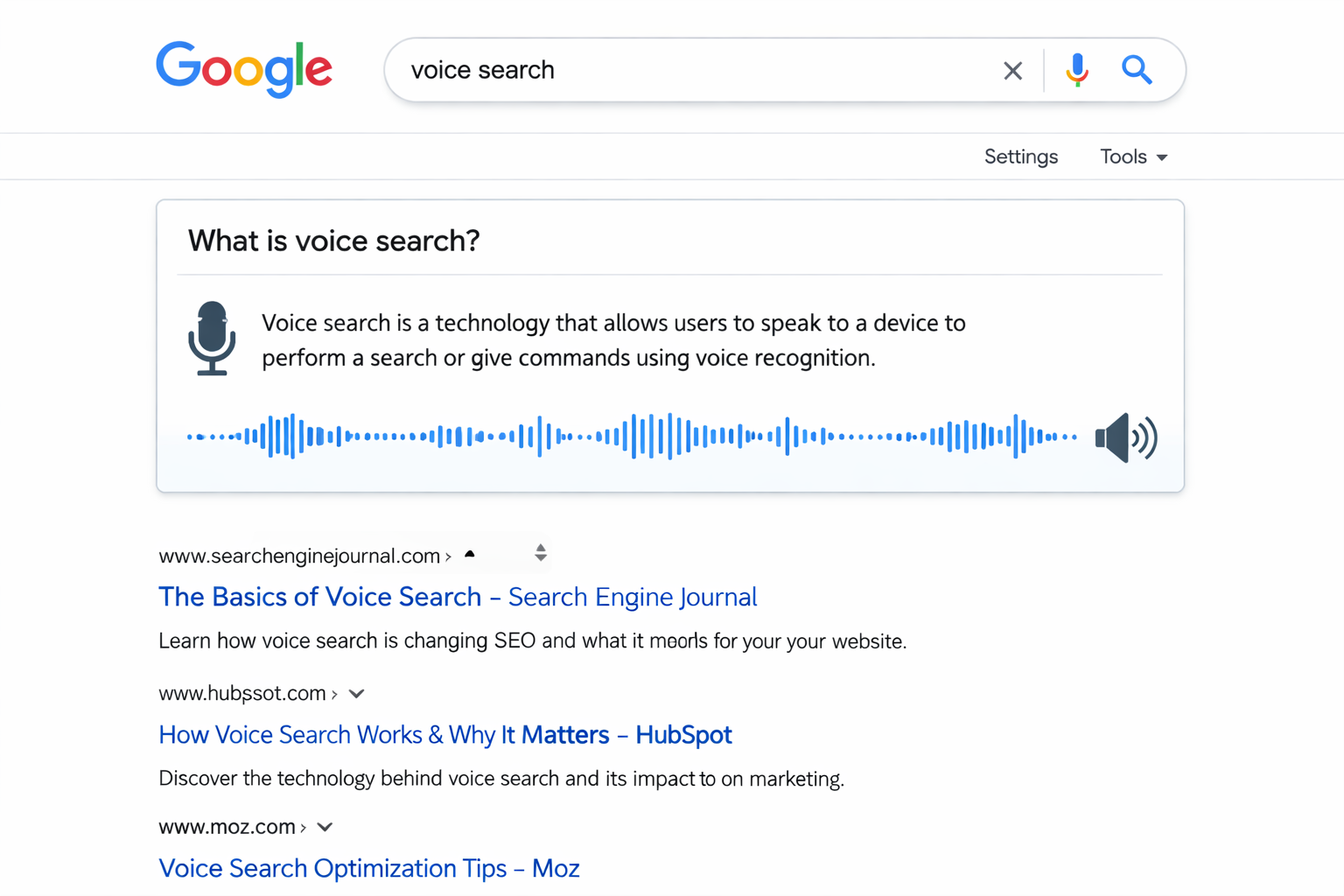
Voice search refers to the searches done using your voice. It may be by asking Google a question or by asking a voice assistant (like Siri, Cortana, Alexa, Google Home, etc.) to find something for you, without manually typing your search on your phone or computer or into the browser. It has been an emerging trend since a few years now and is certainly something that search engine technology is looking forward to evolve with. The recent stats indicate that 20-25% searches are performed using voice and over 1 billion voice searches happen every single month, with 58.6% of U.S. residents having tried voice search at least once. So, you may or may not be using voice search personally, but it has already started influencing SEO. Even companies based on latest technologies, like IoT, AR and VR development company can benefit by incorporating content for voice search in their SEO strategy .
When someone types a search query, they’re economical with words. They might type “best running shoes” or “pizza near me.” But when someone speaks to their device, they use complete sentences and natural language patterns.
| Aspect | Voice Search | Text Search |
|---|---|---|
| Query Length | 4+ words, full sentences | 1-3 words, fragmented |
| Query Type | Question-based, conversational | Keyword-based, direct |
| User Intent | Highly specific, action-oriented | Often broad and exploratory |
| Result Format | Single spoken answer | List of 10 blue links |
| Device Used | Smartphones, smart speakers, cars | Desktop, mobile, tablets |
| Keyword Focus | Long-tail, natural phrases | Short-tail, head terms |
| Primary Goal | Get one direct answer | Browse multiple options |
This shift changes everything about how you should approach SEO. Your content needs to answer questions directly, use natural language, and be structured in a way that makes sense when read aloud.
As the website information is used by Google in a featured snippet, the searcher comes to know from where the information has been pulled. The searcher can then click through if they want to access additional information. Voice search has the ability to drive valuable organic traffic to any website. Google introduces the answer to your query by saying “According to [your site]” or “We found this information on [your site].”
Having a brand name, company name, or website name that is easily pronounceable is of great benefit for voice search. The voice assistant should be able to pronounce it correctly. Increased brand awareness can be helpful in the radio test as people can easily understand and recollect it when they hear it (as on radio).
While typing the query for search, people are likely to type a few keywords to indicate the context of a search. For example, if you want to know what the temperature of UK is, you may simply type in Google “temperature UK”. However, for voice search you need to speak the question, however, you need to take time to draw out the entire phrase, like “What is the temperature in the UK?” Thus, a totally organic, natural way of speaking is used that comes naturally. Context and conversational tone will become more important as voice search continues to evolve.
Besides keywords, semantic search involves a lot of other factors such as previous search patterns and searches of the user, to aid Google in delivering the search results. Thus, in a way, Google is improving its understanding of what people are looking for. For example, when a person searches for “movies Mumbai” from a computer in Mumbai, Google understands that the person is likely looking for movie times in the city, rather than movies about Mumbai.
In the absence of semantic search, only keywords would have made sense to the search. Semantic search, however, recognizes that if a person is searching from Mumbai, chances are higher that he/she is looking for movie times nearby. Moreover, as people become even more conversational with the searches using voice search, the brand’s content needs to be optimized for a variety of related, long-tail keywords so that people can enjoy optimal search results.
In the era of voice search, content needs to be optimized for customers rather than for search engines. Stuffing the content with keywords and making it boring to read turns off customers. Rather, one needs to write for the customers by listening to the customers through social media, customer reviews, customer service and sales teams. Try to address the customer FAQs using in-depth blog posts or on your product pages. Use normal language that your customers understand and use and keep marketing jargon reserved only for showing up in the searches performed by your industry counterparts.
Tip: Voice searches on mobile are highly likely to be local, so ensure content optimization for local branches on your website or app.
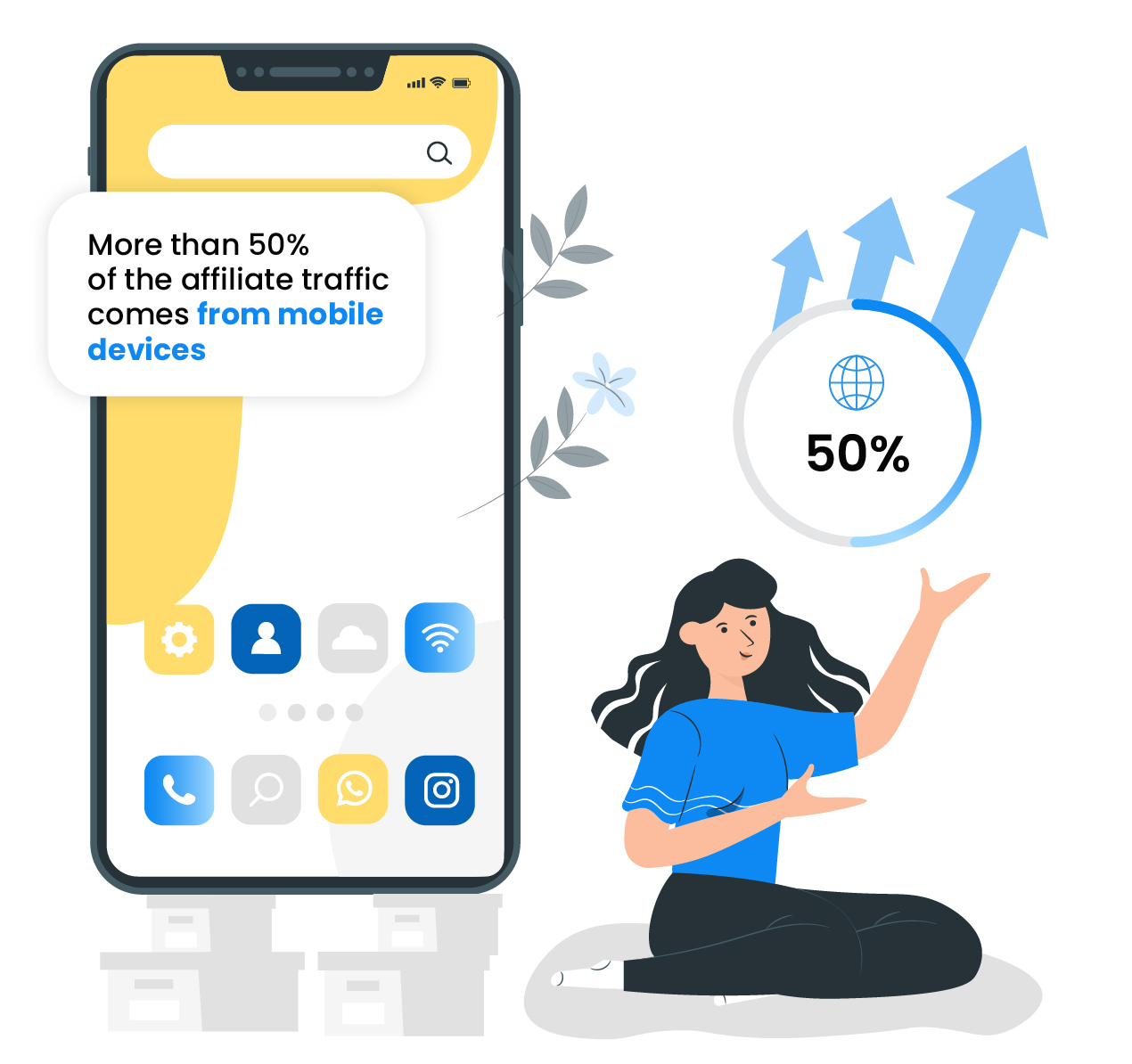
As voice searches were initiated on mobile, in order to survive organically, all brands need to adapt to the mobile-first world as Google is heading for it. People will bounce if your site is slow to load or looks insecure on mobile. Keeping this high bounce rate for too long will lower your rankings. So, you need to review the mobile rendering of your site by Google and check how you can make improvements to make it more mobile-friendly to facilitate voice search. It has been observed that maximum people use voice search on mobile while driving, so the user needs a mobile-friendly site to prevent getting booted from page one or never making it there.
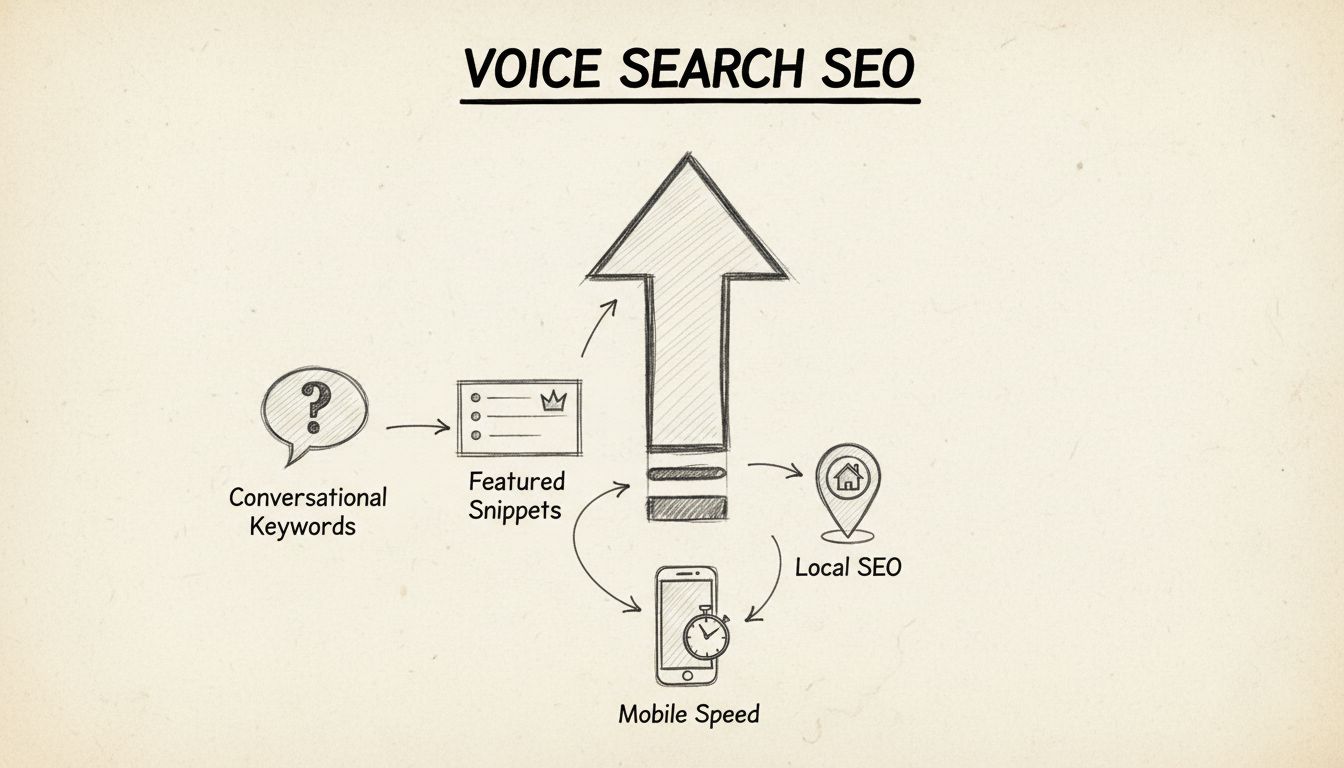
In both regular and voice search, featured snippets answer queries of people and help them learn, go, bur, or do something else. They can thus be researched using long-tail keyword research for questions that need to be answered in your content. Frame your question in header tags, and then answer it quickly to ensure that your content is readable and understandable for Google. You can use tabular and bulleted formats for this.
Featured snippets are then pulled from any website on page one of the search results and Google gives brands credit for these on both regular and voice search. These snippets are more attainable as you need to be on page one rather than position one. In case you are already on page one, you just need small tweaks and don’t need to overhaul your existing SEO strategy completely.
When searching for online reviews of local businesses, users generally search for the “best [type of business].” In these searches, directory and review websites are imperative and act as search engines in their own right. So, it is no longer an option to have an optimized Google My Business listing and is needed for surviving voice search on Google devices.
By supplementing your listing with photos, positive reviews, and owner responses, you are more likely to show in the results as voice assistants access all these databases to answer a consumer’s query. Use keywords smartly in your product descriptions and encourage positive reviews. Also, remember to keep your NAP (Name, Address, Phone Number) consistent across all sites and platforms.
Voice search is going to impact SEO for good and won’t be going away as using voice search is much easier and faster than typing. Pertaining to the amount invested in it by everyone, from Google to Microsoft, its accuracy has improved so much that recently it reached the human threshold for accuracy. The ultra-personalization needs of the users are taken care of by voice assistants as they can recognize the speaking patterns of the user and justify filler words or regional expressions.
Schema markup is a way of labeling your content so search engines understand it better. Think of it as giving your content a name tag that says, “This is a question,” or “This is a how-to guide,” or “This is a local business.”
When Google knows what your content is, it can confidently use it as a voice search answer. Here are the most important schema types for voice search:
FAQPage Schema - Use this when you have a FAQ section. It tells Google that you’re answering specific questions, which is perfect for voice search.
HowTo Schema - Use this for step-by-step guides, recipes, tutorials, and instructions. Voice assistants love this format because it’s structured and easy to read aloud.
LocalBusiness Schema - Use this for physical businesses. It includes your address, phone number, opening hours, and services. Essential for local voice search.
Product Schema - Use this if you’re selling products. It helps voice assistants understand what you’re selling and recommend your products when relevant.
Speakable Schema - This schema was designed specifically for voice search. It tells Google which parts of your page are best suited to be read aloud.
Optimizing for voice search doesn’t mean starting from scratch. It means adapting your existing content strategy to be more conversational, more direct, and more structured. Here’s how:
Use natural language and question-based headings - Instead of “Benefits of Meditation,” use “What are the benefits of meditation?” This matches how people speak and helps Google understand what your content answers.
Add FAQ sections - People ask questions. Your content should answer them directly. Adding a FAQ section at the bottom of your blog posts or web pages gives voice assistants clear content to pull from.
Optimize for mobile - Most voice searches happen on mobile devices. Your site needs to load quickly, display properly on small screens, and be easy to navigate without typing.
Improve page speed - Voice search users expect fast answers. If your page takes 5 seconds to load, they’re moving on. Compress images, minimize code, and use a content delivery network (CDN).
Format for featured snippets - Keep your most important answers under 60 words. Use tables for comparisons. Use lists for steps or tips. Use bold text to highlight key information.
Here’s the challenge with voice search: it doesn’t always leave a clear footprint. When someone asks Alexa a question and gets an answer, there’s often no click, no pageview, and no referral data. This makes measuring voice search performance tricky.
But you’re not completely in the dark. You can track proxy metrics that indicate voice search performance:
While direct attribution is limited, these proxy metrics give you a clear picture of how your content is performing in voice search.
Wrapping It Up
Voice search has greatly influenced the way a user makes a search or query and will continue to influence SEO in the future as well. So, the SEO strategy needs to be planned in such a way as to accommodate voice searches from the very beginning in the content of the website or app. The brands that master voice search will capture traffic that competitors are missing, build stronger relationships with their audiences, and generate more revenue from their marketing efforts.
Voice search changes SEO by prioritizing natural language, long-tail keywords, and featured snippets. Brands must optimize for conversational queries and ensure their content is mobile-friendly and locally relevant.
Long-tail keywords reflect natural, conversational queries used in voice search. They help websites appear in voice results by matching how users speak rather than type.
Featured snippets are often read aloud by voice assistants as answers to user queries. Optimizing content to answer specific questions increases chances of being featured.
Most voice searches happen on mobile devices. A mobile-friendly, fast-loading website ensures better rankings and a positive user experience for voice search users.
Schema markup is structured data that helps search engines understand your content better. For voice search, important schema types include FAQPage, HowTo, LocalBusiness, and Product. Schema markup increases your chances of appearing in rich results and featured snippets, which voice assistants often use as their spoken answers.
Direct voice search attribution is limited, but you can track proxy metrics like featured snippet rankings, local pack visibility, and question-based query performance in Google Search Console. Monitor pages with high impressions on conversational, question-based queries, and use SEO tools to track featured snippet positions over time.
Write conversational content that sounds natural when read aloud. Use question-based headings, provide direct answers immediately, include FAQ sections, optimize for mobile devices, ensure fast page load speeds, and implement proper schema markup. Focus on user intent and create content that answers specific questions your audience is asking.
Juned Ghanchi is a passionate contributing blogger and CMO at IndianAppDevelopers - a top Mobile app development company in India. He has a long-term experience in writing articles based on latest mobility solutions technologies.

Stay ahead in digital marketing by adapting your SEO strategy for voice search. Learn how to leverage long-tail keywords, semantic search, and mobile optimization.
Discover why long-tail keywords are essential for voice search optimization. Learn strategies to capture conversational queries and boost your online visibility...
Learn why balancing voice search optimization with traditional SEO is essential. Discover how to optimize for both voice and text searches to maximize your reac...

Voice search is rapidly developing, with more consumers using it, technology is predicted to make even more impact in the next years.
Join our community of happy clients and provide excellent customer support with Post Affiliate Pro.



Cookie Consent
We use cookies to enhance your browsing experience and analyze our traffic. See our privacy policy.