Pixel Tracking vs Cookies: Key Differences & How They Work
Understand the differences between pixel tracking and cookies. Learn how each technology works, their advantages, privacy implications, and which tracking metho...
9 min read
A fired pixel is a code snippet triggered by user actions on web pages, enabling accurate tracking, analytics, and optimization in affiliate marketing.
A fired pixel is a snippet of code embedded on web pages that activates upon specific user actions, such as clicks, sales, or other conversion events. This activation, or “firing,” transmits data back to the server, offering insights into user interactions and the effectiveness of marketing campaigns. The term “fired” signifies the moment the pixel is triggered, indicating that an event, such as a transaction or page visit, has occurred.
A tracking pixel is a type of fired pixel used predominantly to monitor user behavior across digital platforms. It is a 1×1 pixel graphic that remains invisible to users. However, when loaded, it communicates with servers to log user activity such as page visits, clicks on affiliate links , and purchases. These pixels are crucial for collecting data on user engagement and facilitating retargeting efforts.
A conversion pixel is a specialized tracking pixel focused on recording conversion events like sales or sign-ups. Placed on a “thank you” page or after a successful transaction, it confirms that a user completed the desired action, providing essential data for calculating conversion rates and affiliate commissions .
Fired pixels function by embedding a snippet of code into a webpage’s HTML or an email. When a user visits the page or performs a designated action, the pixel loads and communicates with a server to log the event. This process involves several technical steps:
In the context of affiliate marketing, fired pixels play a crucial role in ensuring accurate tracking and reporting of affiliate-driven traffic and conversions. They help affiliate marketers and program managers to:
The installation of a fired pixel depends on the platform and the desired tracking outcomes. Common methods include:
With increasing scrutiny on data privacy, it is crucial to ensure that the use of fired pixels complies with legal regulations such as GDPR and CCPA. This involves:
While both fired pixels and cookies track user behavior, they operate differently:
Several platforms and tools facilitate the use of fired pixels in affiliate marketing :
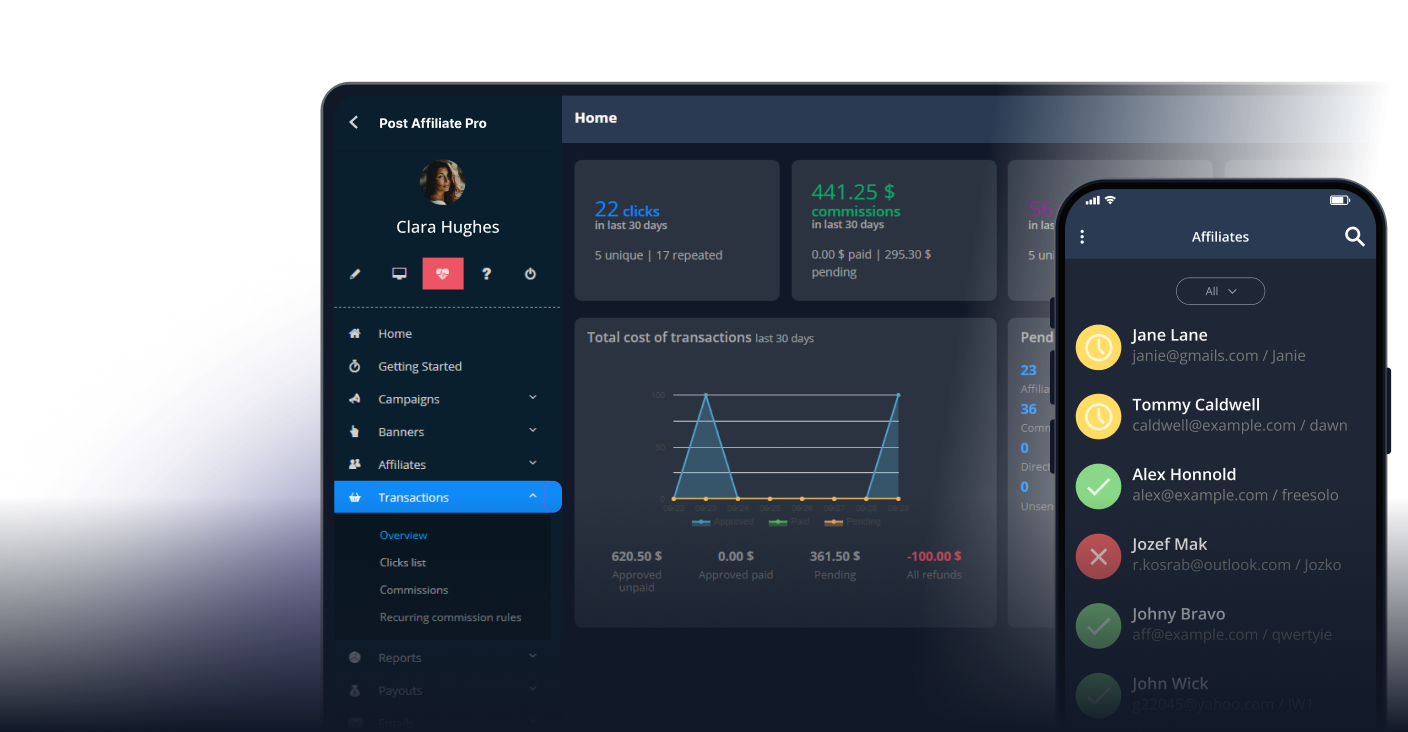
Affiliate Software: Platforms like Post Affiliate Pro offer integrated pixel tracking to monitor affiliate performance and conversions.
Google Analytics: Provides detailed tracking and reporting capabilities through the implementation of pixels.
Facebook Pixel: A tool for tracking conversions and building retargeting audiences on the Facebook ad platform.
There are a variety of ways to check if pixels are firing. Use a pixel-tracking tool or check server logs to see if the pixels are being called.
There are a few reasons why a pixel might fire twice such as the pixel being placed on the page twice, because of a browser extension and adding multiple tags on Google Tag Manager.
Discover how fired pixels and advanced tracking tools can optimize your affiliate marketing campaigns and improve conversion rates.
Understand the differences between pixel tracking and cookies. Learn how each technology works, their advantages, privacy implications, and which tracking metho...
Pixel tracking is used to track users' activity and collect personal data for marketing purposes. Learn more about pixel tracking.
Learn when to use pixel tracking in Post Affiliate Pro for accurate affiliate conversion tracking. Discover pixel tracking benefits, implementation methods, and...
Join our community of happy clients and provide excellent customer support with Post Affiliate Pro.



Cookie Consent
We use cookies to enhance your browsing experience and analyze our traffic. See our privacy policy.